




The Rise of the “Agentic Phone”: Is StepFun’s StepX Neo a Revolution or Just Hype?
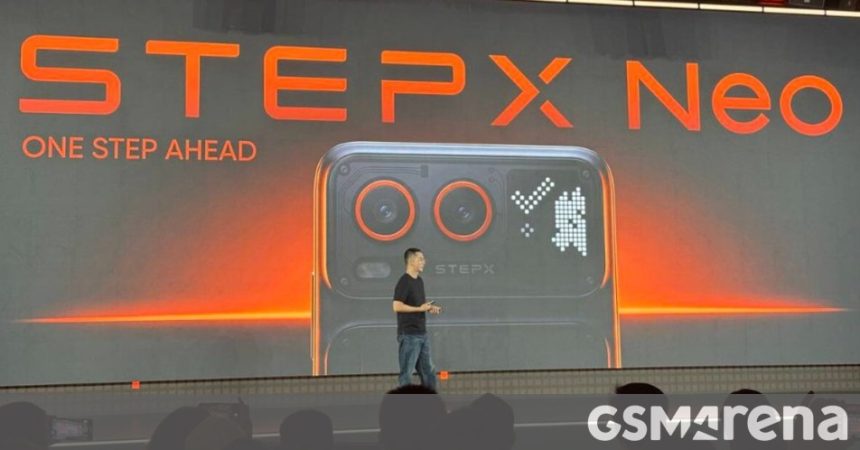
The smartphone industry is currently obsessed with the integration of artificial intelligence, and a new player has emerged from the shadows to claim a bold title. Shanghai-based startup StepFun, established in 2023 by a team of former Microsoft engineers, has unveiled the StepX Neo. While tech giants like OpenAI are still rumored to be developing their own hardware, StepFun is positioning its device as the world’s first “AI agentic phone.”
Beyond the Chatbot: What Makes the StepX Neo Different?
Unlike standard smartphones that treat AI as a secondary app or a simple voice assistant, the StepX Neo is built around a proprietary operating system dubbed Step AOS. The company claims this OS provides a “native runtime environment” specifically designed to overcome the three primary hurdles of AI agents: long-term memory, complex decision-making, and autonomous execution.
The device features an integrated AI agent named Step Amoo. According to the company, Amoo is capable of executing tasks offline with impressive speed, boasting a memory retrieval latency of just 15ms. While the device utilizes a hybrid approach-offloading heavy computational tasks to the cloud while keeping sensitive user data localized-the core intelligence is powered by their proprietary Step Edge LLM. StepFun asserts that this model outperforms competitors across 29 benchmarks, though they have yet to provide transparent data or specific comparisons to verify these claims.
Technical Ambiguity and Design Choices
Despite the bold marketing, the technical foundation of the StepX Neo remains murky. StepFun describes Step AOS as a hybrid of Android, Linux, and RTOS, leaving industry experts skeptical about whether this is a truly ground-up operating system or merely a heavily modified Android skin.
Furthermore, the hardware itself is shrouded in mystery. Aside from a rear-facing dot matrix LED display-a design aesthetic that draws immediate comparisons to the Nothing Phone series-the company has released zero concrete specifications. This lack of transparency is a common tactic in the “hype-first” marketing cycle, often used by smaller firms to capture headlines before a product is fully realized.
Strategic Partnerships and Market Positioning
To ensure the phone is functional upon release, StepFun has secured a roster of major Chinese service providers, including:
* Alipay & Baidu: For financial and search integration.
* Didi & Amap: For transportation and navigation.
* Meituan & Ctrip: For lifestyle and travel services.
By integrating these popular platforms directly into the “agentic” workflow, StepFun hopes to prove that their AI can handle real-world tasks rather than just answering queries.
The “StepX” Identity Crisis
The branding of the device has also raised eyebrows. The name “StepX” shares a title with an existing fitness platform, leading to speculation that the company either failed to conduct basic market research or intentionally chose a name that mimics the branding of industry titans like SpaceX.
The Verdict: Innovation or Marketing Theater?
As of now, the StepX Neo feels more like a strategic play for attention than a finished consumer product. In an era where global interest in AI hardware is peaking, smaller companies are racing to claim “first-mover” status to attract investors and media coverage.
While the promise of an agentic phone-a device that proactively manages your digital life-is the logical next step for mobile technology, the StepX Neo currently lacks the substance to back up its lofty claims. Whether this device becomes a legitimate competitor to the rumored OpenAI hardware or fades into obscurity as a marketing experiment remains to be seen. For now, it serves as a reminder that in the AI gold rush, the loudest announcement doesn’t always equate to the best technology.