


The Digital Backlash: Why Gen Z is Turning Away from AI-Generated Cinema
- Christopher Nolan observes a significant cultural pivot, noting that younger generations are actively pushing back against generative AI in film.
- The industry is experiencing a “tactile renaissance,” where audiences are craving authentic, physical production over synthetic visuals.
- The filmmaking community remains deeply polarized, with legendary directors split between integrating AI tools and viewing them as an existential threat to artistry.
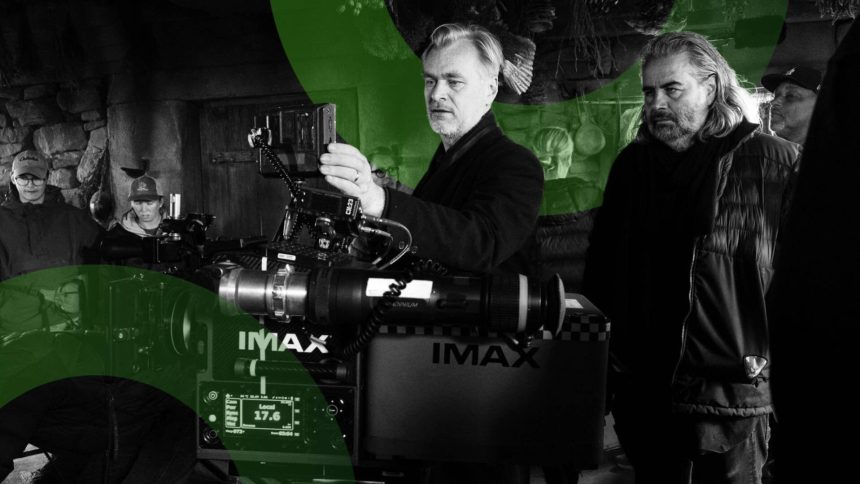
Christopher Nolan, the visionary behind The Odyssey, has never been one to follow the crowd-he famously eschews smartphones and maintains a traditionalist approach to production. Now, he is positioning himself at the forefront of a growing movement that views generative AI not as a revolutionary leap, but as a hollow trend that younger audiences are quick to identify and reject.
The Generational Rejection of “AI Slop”
In a recent interview with The Telegraph, Nolan highlighted a fascinating paradox: while tech giants push AI as the future of creativity, the demographic most fluent in digital culture is the most skeptical. Nolan notes that his own children, representing the digital-native generation, possess a highly tuned “BS detector” for AI-generated content. He describes their reaction to “AI slop” as immediate and visceral, suggesting that because they grew up in the online ecosystem, they can spot the artificiality of machine-generated imagery far more easily than older generations.
This skepticism aligns with broader market trends. According to recent consumer sentiment surveys, nearly 60% of Gen Z viewers express a preference for “authentic” or “human-made” content over algorithmically generated media, signaling a potential fatigue with the hyper-polished, synthetic aesthetic that has dominated streaming platforms for the last decade.
A Return to Tangible Craft
Nolan argues that the rise of generative AI has arrived at a cultural inflection point. After years of being saturated with “heavily virtual environments”-where green screens and digital assets replaced physical sets-audiences are suffering from visual burnout. There is a palpable, renewed hunger for tactile storytelling.
Nolan’s own filmography serves as the blueprint for this philosophy. Rather than relying on digital shortcuts, he famously orchestrates massive, real-world spectacles: flipping an 18-wheeler in The Dark Knight, constructing a functional rotating hallway for Inception, or utilizing practical pyrotechnics for Oppenheimer. While he acknowledges that digital tools have their place-such as the subtle enhancement of Two-Face’s scars-he maintains that the soul of cinema lies in the physical reality captured by the lens.
The Great Divide: Hollywood’s AI Schism
The industry is currently fractured into two distinct camps regarding the role of artificial intelligence in production:
- The Traditionalist Resistance: Figures like Guillermo del Toro and Steven Spielberg have been vocal in their opposition. Spielberg has famously characterized AI as an “empty chair,” suggesting that while it can mimic the form of art, it lacks the human experience required to fill it with meaning.
- The Tech-Forward Adopters: Conversely, industry titans