




The Hidden Cost of the Esports World Cup: Are VALORANT Pros Being Coerced?
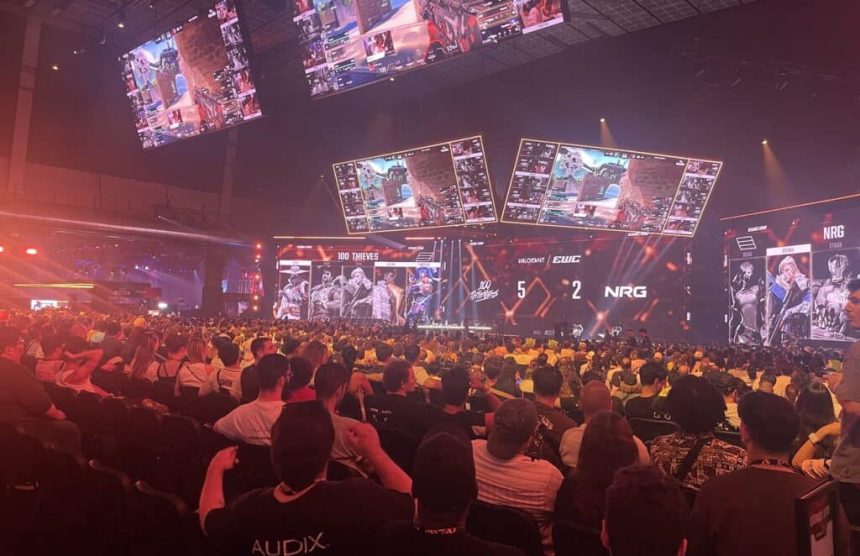
A recent conversation on The Vodfathers podcast has ignited a firestorm within the competitive gaming community, casting a critical eye on the influence of the Esports World Cup (EWC) on the professional VALORANT landscape. The discussion suggests that the allure of massive prize pools is fundamentally altering how organizations manage their rosters and player well-being.
Financial Incentives vs. Competitive Integrity
Josh “Sideshow” Wilkinson, a prominent broadcast personality and co-host of the show, highlighted a troubling trend: professional organizations are increasingly placing the Saudi-backed EWC above the established Riot Games-sanctioned VALORANT Champions Tour (VCT). While the VCT represents the core ecosystem of the game, the sheer scale of the EWC’s financial rewards-which often dwarf standard tournament winnings-has created a “gold rush” mentality.
This shift in priorities is not merely a strategic choice; it is reportedly becoming a mandate. According to claims discussed on the podcast, organizations are allegedly threatening to terminate the contracts of players and support staff who express hesitation or refusal to participate in the EWC. This creates a high-pressure environment where the pursuit of capital overrides the long-term health of the competitive scene.
The Human Toll: Burnout and Coercion
The implications of this dynamic are severe. By forcing teams to compete in both the VCT and the EWC, organizations are pushing athletes to their physical and mental limits. The grueling travel schedules and back-to-back tournament cycles are a recipe for professional burnout, a phenomenon that has already plagued other esports titles like League of Legends and Counter-Strike, where players often face similar calendar congestion.
“It raises the question of whether participation is truly a choice,” Wilkinson noted during the broadcast. “When the alternative to competing is losing your livelihood, players are effectively being forced to sacrifice their health for the sake of the organization’s bottom line.”
Industry Context and Future Outlook
This controversy arrives at a time when the sustainability of the esports industry is under intense scrutiny. With global economic shifts impacting sponsorship revenue, organizations are desperate for alternative funding sources. However, when that funding comes at the cost of player agency and the integrity of the VCT, the long-term consequences for the game’s viewership and community trust could be irreversible.
As the industry continues to grapple with these ethical dilemmas, the pressure on tournament organizers and team owners to establish a more balanced, player-centric schedule has never been higher.