




Why E-MTBs Are the Evolution of Mountain Biking, Not a Shortcut
For the longest time, I was the rider muttering “cheater” under my breath as an e-bike effortlessly glided past me on a grueling climb. I clung to a rigid, purist mindset, stubbornly ignoring the reality that electric mountain bikes (e-MTBs) are fundamentally designed for one thing: pure enjoyment.
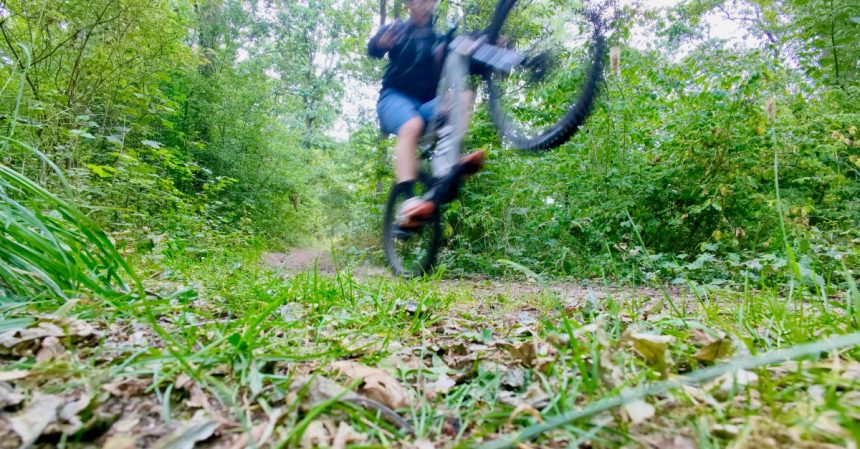
My perspective shifted dramatically during a recent test ride of the Amflow PX Carbon Pro. Equipped with the cutting-edge Avinox M2S drive system-a compact, high-torque motor from DJI’s new cycling division that is currently sending shockwaves through industry giants like Bosch and Specialized-the experience was transformative. Rather than turning me into an unstoppable racing machine, the motor acted as a safety net, smoothing out my technical errors and maintaining my momentum when my legs would have otherwise given out.
The History of Resistance to Innovation
The cycling community has a storied tradition of skepticism toward technological advancement. If you look back at the evolution of the sport, every major leap forward was met with similar pushback. When full-suspension frames, hydraulic disc brakes, dropper seatposts, and larger 29-inch wheels were first introduced, critics argued that these innovations were “dumbing down” the sport or making it “too easy.”
Today, these features are considered essential components of a modern mountain bike, including the high-performance Amflow model I’ve been riding. History shows that what we once labeled as “cheating” eventually becomes the industry standard. Powerful, responsive motors are simply the next logical step in this progression.
Redefining the Climbing Experience
It is undeniable that an e-MTB lowers the barrier to entry for difficult terrain. However, the real magic happens on long, technical ascents. Instead of dreading the climb, the motor provides a seamless boost that turns a grueling slog into an engaging, flow-state experience.
Recent industry data suggests that e-bike riders are actually spending more time on the trails and covering greater distances than their traditional counterparts. By mitigating the physical exhaustion that often limits ride time, e-MTBs allow enthusiasts to explore further and tackle terrain that might have been previously inaccessible. Far from being a shortcut, the e-MTB is a tool that expands the horizons of what a mountain biker can achieve.