




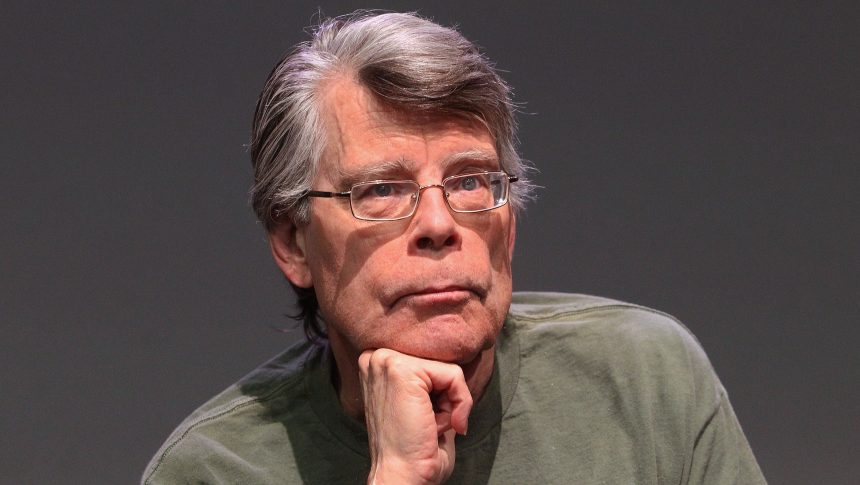
Stephen King Denounces Utah’s Statewide Removal of His Iconic Novella Collection
Renowned horror and suspense novelist Stephen King has publicly voiced his sharp disapproval regarding a recent legislative decision in Utah that resulted in the total removal of his 1982 anthology, Different Seasons, from the state’s public school library systems.
The Scope of the Ban
The controversy stems from a report by the Salt Lake Tribune, which confirmed that the collection-comprising four distinct novellas-has been purged from all public school shelves across Utah. The affected works include:
- Rita Hayworth and Shawshank Redemption: Hope Springs Eternal
- Apt Pupil: Summer of Corruption
- The Body: Fall from Innocence
- The Breathing Method: A Winter’s Tale
These stories are culturally significant, having served as the source material for some of the most celebrated films in cinematic history. The Shawshank Redemption (1994) remains a perennial favorite on critics’ lists, while the 1986 film Stand by Me is widely regarded as a definitive coming-of-age masterpiece. Despite this legacy, the literary source material is no longer accessible to students in grades 7-12 within the state’s public education framework.
Understanding Utah’s “Sensitive Material” Legislation
The statewide prohibition was triggered by a specific state mandate. Under current Utah law, if three or more school districts classify a book as containing “objective sensitive material,” it must be removed from every public school library in the state. This threshold was met earlier this month when the Davis, Jordan, Tooele, and Washington school districts collectively moved to pull the title from circulation. This administrative action effectively enacted a blanket ban on July 6.
The Growing Trend of Book Challenges
This incident highlights a broader, intensifying trend across the United States regarding educational materials. According to data from the American Library Association (ALA), 2023 saw a record-breaking surge in attempts to censor books in schools and public libraries, with over 4,000 unique titles targeted. Critics of these policies argue that such bans restrict intellectual freedom and limit students’ exposure to complex, thought-provoking literature, while proponents maintain that these measures are necessary to protect minors from age-inappropriate content.
King’s reaction underscores the tension between local governance and artistic expression, as the author continues to be a vocal advocate for intellectual freedom in the face of increasing censorship efforts nationwide.