
![Director Adam Wingard Explains Why He Left The Godzilla Franchise To Make Onslaught [Exclusive Interview]](https://www.mixtv1.com/wp-content/uploads/2026/09/28266-attachment.jpg)


Rethinking Fruit: Why Natural Sugar Isn’t Your Enemy
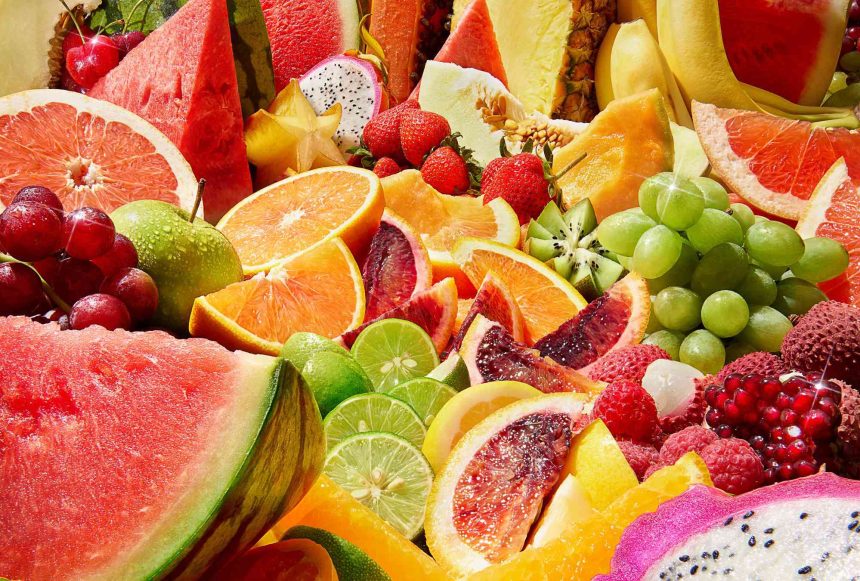
Many people embarking on a low-sugar lifestyle make the mistake of banishing fruit from their plates. There is a common misconception that because fruit contains fructose, it should be treated with the same caution as processed sweets. However, nutritionists argue that this approach is counterproductive. Far from being a dietary vice, whole fruit is a cornerstone of optimal health.
The Nutritional Synergy of Whole Fruit
When you consume a piece of fruit, you aren’t just getting sugar; you are receiving a complex package of nutrients. Unlike the “empty calories” found in a candy bar or a soda, fruit comes bundled with essential fiber, vitamins, minerals, and potent antioxidants.
Fiber is the game-changer here. It acts as a biological buffer, slowing down the absorption of sugar into your bloodstream. This prevents the rapid insulin spikes associated with refined sugars, providing a steady release of energy instead of a crash. According to the American Heart Association, fiber-rich diets are linked to lower risks of heart disease and improved digestive health, making fruit a functional food rather than a simple treat.
Why Fructose in Fruit Differs from Added Sugar
It is vital to distinguish between intrinsic sugars-those naturally occurring in whole foods-and added sugars found in processed snacks.
* The Delivery System: Added sugars are often stripped of any nutritional value and are rapidly metabolized. In contrast, the cellular structure of fruit requires more effort for your body to break down.
* Volume and Satiety: Because fruit is high in water content and fiber, it is physically difficult to overconsume. It is much easier to eat 500 calories of cookies than it is to eat 500 calories of apples, which would require consuming roughly six large pieces of fruit.
Integrating Fruit into a Low-Sugar Lifestyle
If you are worried about your sugar intake, focus on the quality of your carbohydrates rather than eliminating them entirely. Berries, for instance, are excellent low-glycemic choices that offer high antioxidant profiles with minimal impact on blood glucose levels.
Instead of viewing fruit as a “sugar bomb,” view it as a nutrient-dense tool for satiety. By replacing processed desserts with a bowl of fresh berries or a crisp pear, you satisfy your sweet tooth while simultaneously fueling your body with the micronutrients it needs to thrive.