




The Evolution of the Software-Defined Vehicle: Convenience vs. Cyber Vulnerability
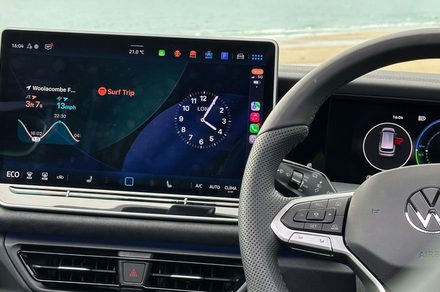
The automotive landscape has undergone a radical transformation. Today’s automobiles are less like traditional mechanical assemblies and more like sophisticated, rolling data centers. Much like the smartphone in your pocket, modern vehicles are now “software-defined,” meaning their capabilities, performance, and safety protocols are governed by code that can be modified long after the car has left the dealership floor.
While the ability to receive over-the-air (OTA) updates has streamlined vehicle maintenance and reduced the need for physical service appointments, it has also introduced a complex new frontier for digital threats. Cybersecurity analysts are increasingly sounding the alarm, suggesting that the very connectivity designed to improve our driving experience could inadvertently turn our vehicles into high-stakes targets for malicious actors.
Beyond Data Privacy: The Physical Risks of Connected Cars
The conversation surrounding vehicle security has shifted significantly. In the past, concerns were largely limited to the protection of personal information-such as navigation history or synced contact lists. However, as vehicles become more integrated with cloud-based systems, the stakes have risen to include physical safety. Experts and regulatory bodies are now pushing for more rigorous oversight, fearing that a compromised system could allow unauthorized users to manipulate critical vehicle functions while in motion.
According to recent industry reports, the attack surface for modern vehicles is expanding rapidly. With the average luxury vehicle now containing over 100 million lines of code-far more than a commercial jet-the potential for undiscovered vulnerabilities is immense. This complexity makes the prospect of remote interference not just a theoretical exercise, but a tangible security challenge that manufacturers must address.
The Double-Edged Sword of OTA Technology
The shift toward wireless updates was pioneered by Tesla in 2012, fundamentally changing the relationship between the driver and the manufacturer. What was once a niche feature for early adopters has now become an industry standard, with legacy automakers racing to implement similar architectures across their entire fleets.
The benefits of this shift are undeniable. OTA updates allow manufacturers to:
- Optimize Efficiency: Remotely refine battery management systems to extend range and longevity.
- Enhance Performance: Deploy software tweaks that improve acceleration or braking responsiveness.
- Cost-Effective Recalls: Address software-related safety defects instantly, bypassing the logistical nightmare and expense of traditional dealership recall campaigns.
- Feature Expansion: Introduce new infotainment capabilities or driver-assistance features that keep the vehicle feeling “new” for years.
Despite these clear advantages, the industry faces a delicate balancing act. As we move toward a future of autonomous driving and vehicle-to-everything (V2X) communication, the security of these wireless pipelines will determine the long-term viability of the connected car ecosystem. Ensuring that these updates are not only convenient but also impenetrable is the next great hurdle for automotive engineers.