




## Volvo’s Strategic Shift: Bringing Electric Sedans and Wagons to American Roads
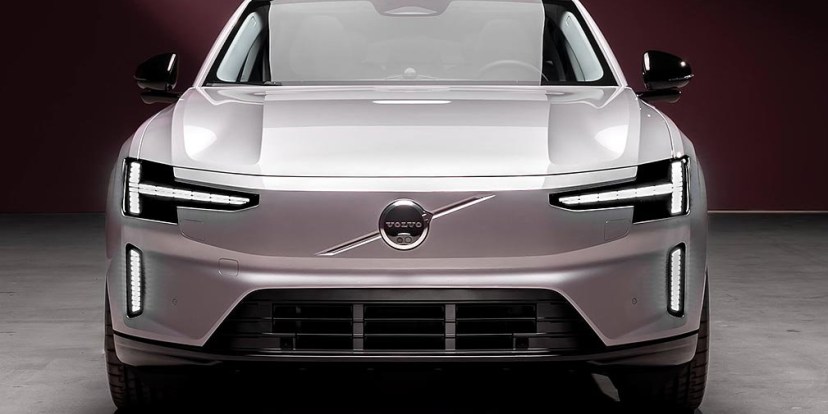
Volvo is reportedly evaluating a significant expansion of its North American lineup, with internal discussions centering on the introduction of all-electric sedans and station wagons. If these plans move forward, industry analysts anticipate these vehicles could arrive at U.S. dealerships by 2028. Since these models are already deep into the development phase for European consumers, the engineering transition required to meet U.S. regulatory standards is expected to be a streamlined process.
### Leveraging the SPA3 Platform
The upcoming vehicles are slated to utilize Volvo’s cutting-edge 800V SPA3 architecture. This modular platform is a cornerstone of the brand’s electrification strategy, having already been showcased in the EX60. By utilizing this high-voltage system, Volvo aims to offer faster charging capabilities and improved efficiency, positioning these new models as direct competitors in the premium EV segment.
### Market Positioning and Model Variants
These new additions to the Volvo family are expected to fall under the 60 or 70 series nomenclature. While the sedan will focus on aerodynamic efficiency and luxury, the wagon variant is rumored to feature a “Cross Country” iteration. This ruggedized version would cater to the growing demand for versatile, adventure-ready vehicles that blend the practicality of an SUV with the driving dynamics of a traditional wagon.
Manufacturing for these units will remain centralized in Europe, maintaining the brand’s commitment to its heritage while scaling production for global markets.
### Pricing and Competitive Outlook
As the automotive industry shifts toward a fully electric future, Volvo is positioning these models to be competitively priced. Current projections suggest an entry-level price point ranging between €43,000 and €45,200.
This pricing strategy is critical, as it places Volvo in a strong position to challenge established EV players. With the global electric vehicle market expected to grow at a compound annual growth rate (CAGR) of approximately 10% through 2028, Volvo’s decision to diversify its U.S. portfolio beyond SUVs reflects a calculated move to capture a broader demographic of eco-conscious drivers who still value the classic sedan and wagon form factors.