






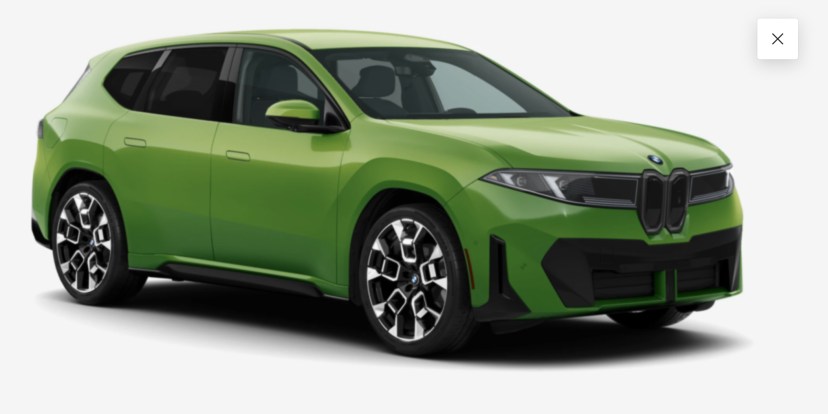
The Evolution of Automotive Customization: BMW Embraces Conversational AI
For many automotive enthusiasts, the late-night ritual of navigating online car configurators is a cherished pastime. There is a unique, almost meditative satisfaction in meticulously selecting exterior paint finishes, comparing premium upholstery textures, evaluating drivetrain performance, and cycling through various alloy wheel designs. It has long served as the premier digital playground for those who enjoy the art of automotive daydreaming.
However, BMW is signaling a departure from this traditional, menu-heavy approach. Recognizing that the modern consumer values efficiency as much as aesthetics, the German manufacturer is pivoting away from static, click-intensive web interfaces. In a bold strategic shift, the company has introduced a conversational configurator integrated directly into OpenAI’s ChatGPT.
From Visual Menus to Natural Language
Rather than forcing users to navigate through layers of complex sub-menus and checkboxes, BMW’s new interface prioritizes a fluid, dialogue-driven experience. This transition mirrors broader industry trends; according to recent data from Gartner, by 2026, generative AI is expected to be embedded in over 80% of enterprise applications, fundamentally changing how consumers interact with brands.
Instead of manually selecting features, prospective buyers can now simply describe their ideal vehicle-or even their lifestyle needs-to the AI. Whether you are looking for a high-performance electric vehicle for a daily commute or a spacious SUV for family road trips, the system interprets these natural language prompts to curate a tailored specification. It is akin to having a knowledgeable product specialist available 24/7, rather than navigating a static digital catalog.
Why the Shift Matters
This move represents more than just a technological novelty; it is a fundamental change in the customer journey. By removing the friction of traditional website navigation, BMW is streamlining the path to purchase. Much like how voice assistants have transformed smart home management, this conversational approach allows for a more intuitive discovery process. It shifts the focus from “building a car” to “designing an experience,” allowing the AI to suggest configurations that align with the user’s specific preferences without the need for technical expertise.
As we move toward a future where AI-driven personalization becomes the standard, BMW’s integration suggests that the days of endless clicking may soon be behind us, replaced by a more human-centric, conversational way to bring our dream vehicles to life.








![[Event Review] Mayan Warrior Makes Epic Chicago Debut at Union Park](https://www.mixtv1.com/wp-content/uploads/2026/07/14463-attachment.jpg)

