



### The Resurgence of the Great British Pub: A Cultural Revival
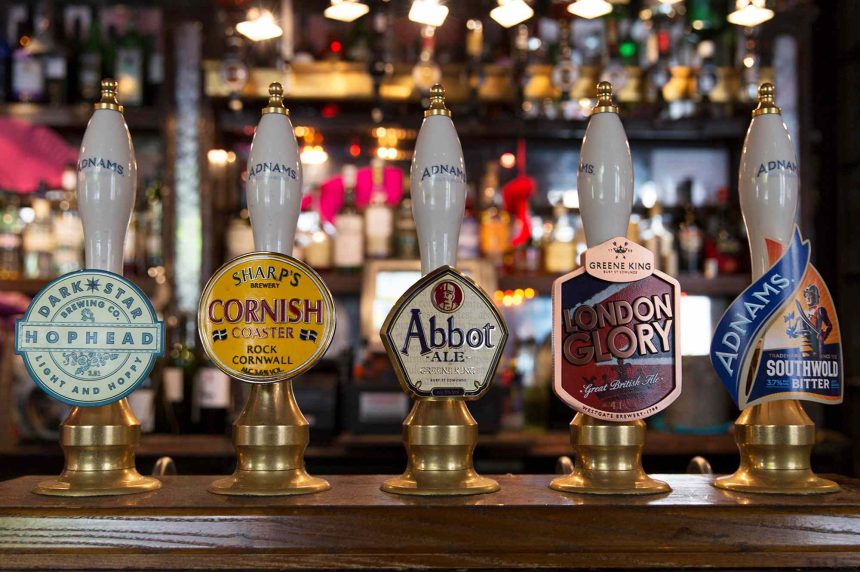
For centuries, the local pub has served as the beating heart of English community life-a “third space” that bridges the gap between home and the workplace. After years of decline, these storied establishments are currently undergoing a remarkable transformation, reclaiming their status as essential social hubs.
#### Beyond the Pint: A Modern Evolution
The traditional pub is no longer defined solely by its selection of ales. Today’s successful venues are diversifying their offerings to cater to a broader demographic. From farm-to-table dining experiences that rival high-end bistros to the integration of community workspaces and boutique accommodations, the modern pub is evolving into a multi-functional destination.
Recent industry data highlights this shift: according to the British Beer and Pub Association, establishments that have diversified their revenue streams-incorporating specialty coffee services, local artisan markets, or dedicated event spaces-have seen a 15% increase in foot traffic compared to those relying exclusively on traditional beverage sales.
#### Why the “Local” Still Matters
In an era dominated by digital isolation, the physical pub offers something technology cannot replicate: genuine human connection. Much like the Italian *piazza* or the French *café culture*, the English pub provides a neutral ground where social barriers dissolve.
Consider the recent trend of “community-owned” pubs. In rural villages across the UK, residents are increasingly pooling resources to purchase and renovate their local watering holes. This grassroots movement ensures that these historic landmarks remain open, serving not just as bars, but as village halls, post offices, and meeting points for local clubs. This shift mirrors the “third place” theory popularized by urban sociologist Ray Oldenburg, which posits that healthy societies require informal gathering spots to foster civic engagement.
#### Adapting to a Changing Landscape
The renaissance is also driven by a renewed focus on heritage and sustainability. Many publicans are restoring original architectural features-exposed timber beams, open hearths, and Victorian-era tiling-to lean into the “authentic” experience that international travelers and locals alike crave. Furthermore, the push toward hyper-local sourcing means that the food on your plate is often sourced from within a 20-mile radius, significantly reducing the carbon footprint of the traditional pub meal.
As these institutions adapt to the demands of the 21st century, they are proving that the pub is not a relic of the past, but a resilient model for the future of social interaction.