



The Dominance of Team Dynamics in Professional Esports
When analyzing the upper echelons of the professional gaming landscape, it becomes immediately apparent that team-based titles hold a near-total monopoly on the industry. While individual skill is a prerequisite, the true titans of the esports world are almost exclusively built upon the foundation of collaborative squads. This structural reliance on teamwork is not merely a trend; it is the primary engine driving the industry’s most significant growth.
By the Numbers: The Massive Reach of Squad-Based Competition
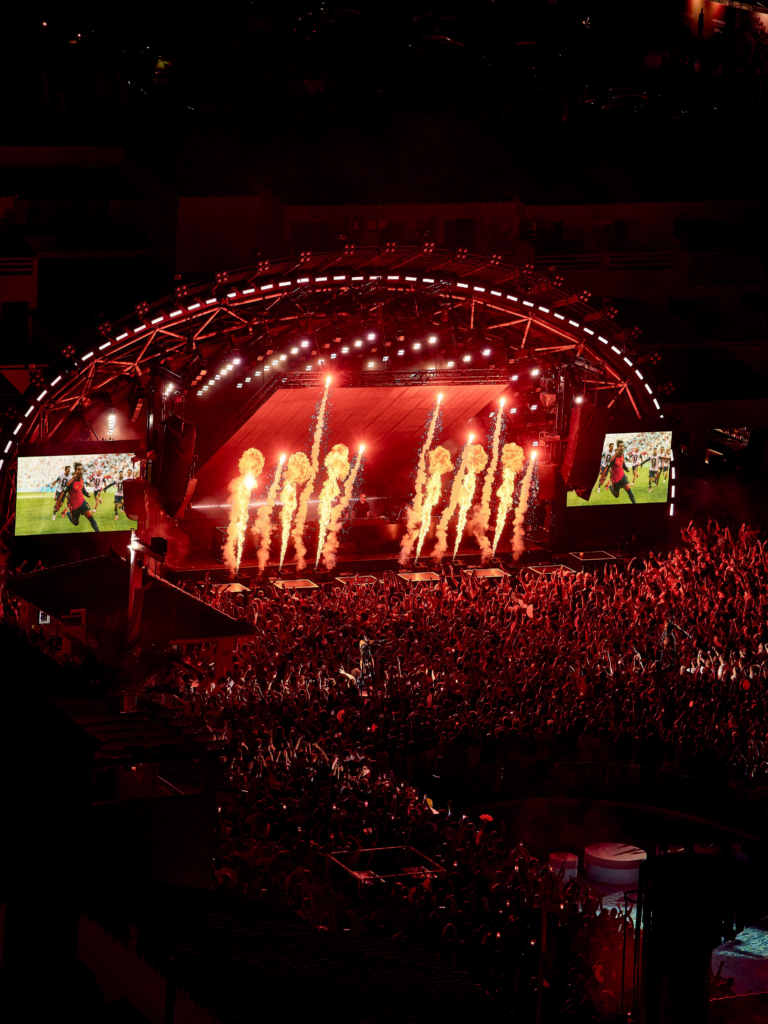
The viewership data from the past year underscores this shift toward collective play. In 2025, League of Legends solidified its status as a global juggernaut, accumulating more than 735 million hours of watch time. Similarly, Counter-Strike 2 continues to shatter records, surpassing 584 million hours viewed. The competitive scene is reaching unprecedented heights, evidenced by the Cologne event, which peaked at 2,752,353 viewers, marking it as the most-watched tournament in the franchise’s storied history.
The mobile sector is equally impressive. Mobile Legends: Bang Bang recently demonstrated the sheer scale of this audience by hitting a staggering 5.6 million concurrent viewers during its championship cycle. When you combine these figures with the consistent, massive broadcast footprints of titles like VALORANT, Dota 2, and Rocket League, the message is clear: the market favors the squad.
Why Team-Centric Titles Command the Spotlight
The reason for this dominance is rooted in the psychological parallels between esports and traditional athletics. Much like the global obsession with the English Premier League or the NFL, team-based esports allow fans to cultivate a deep, tribal loyalty to a specific organization or “club.” This structure provides a narrative arc that is easier for the average viewer to follow; it is far simpler to invest emotionally in a roster of players representing a brand than it is to track the fluctuating fortunes of individual solo competitors.
Furthermore, the complexity of team coordination-the strategic rotations, the synergy of abilities, and the high-stakes communication-creates a spectacle that feels more “human” and relatable to a broad audience. By mirroring the familiar dynamics of physical sports, these games have successfully bridged the gap between niche gaming subcultures and mainstream entertainment.