




# Apple’s MacBook Neo Roadmap: A19 Pro Power and OLED Displays on the Horizon
By: Editorial Staff
July 22, 2026
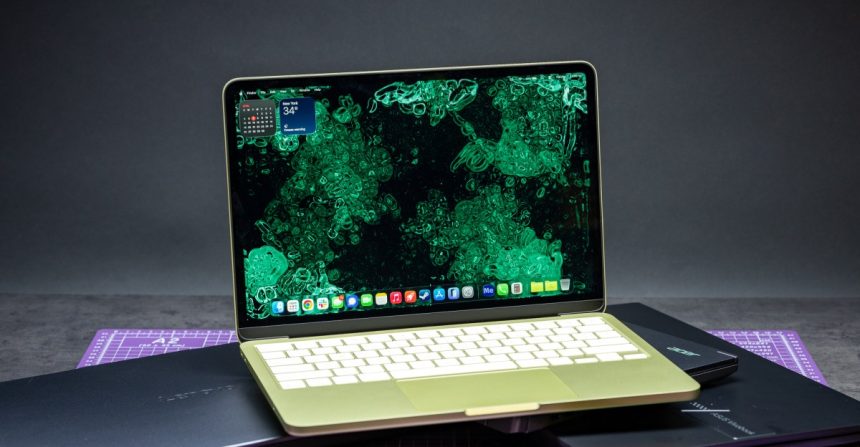
Following the resounding market success of the MacBook Neo, Apple is reportedly preparing a significant mid-cycle refresh for its entry-level laptop lineup. Industry insiders suggest that the tech giant is not only looking to boost internal performance but is also exploring aesthetic updates to keep the device competitive in an increasingly crowded market.
## Performance Boost: The Shift to A19 Pro Silicon
According to recent insights from *Bloomberg*’s Mark Gurman, the upcoming iteration of the MacBook Neo is slated to transition from the current A18 Pro chip-previously featured in the iPhone 16 Pro-to the more robust A19 Pro processor.
This upgrade aligns the laptop’s architecture with Apple’s latest mobile flagship standards, specifically the hardware found in the iPhone 17 Pro, Pro Max, and the ultra-slim iPhone Air. By integrating the A19 Pro, users can expect a notable uptick in both computational efficiency and thermal management. This move mirrors a previous analysis by industry expert Tim Culpan, who hinted earlier this year that Apple was aggressively scaling production to meet the sustained demand for its most accessible Mac.
## Beyond the Chip: Memory and Design Refinements
Performance isn’t the only area receiving attention. Reports indicate that Apple plans to bolster the Neo’s multitasking capabilities by increasing the base memory configuration. Furthermore, to differentiate the next generation from its predecessor, the company is rumored to be introducing a refreshed color palette, catering to consumers who prioritize personalization alongside utility.
## The Future of Display Technology
While the MacBook Neo focuses on internal hardware efficiency, Apple is simultaneously looking toward the premium segment of its laptop catalog. Sources suggest that the company is actively working to integrate OLED display technology into its higher-end MacBook Pro models.
This transition is significant; while current Liquid Retina XDR displays offer impressive brightness, OLED panels provide superior contrast ratios and deeper blacks, which are essential for professional-grade color grading and high-fidelity media consumption. As the industry shifts toward more vibrant, power-efficient screen technologies, this move positions Apple to maintain its lead in display quality against competitors who have already begun adopting OLED in their flagship ultrabooks.