




The Data Behind the Music: Suno’s Training Practices Exposed
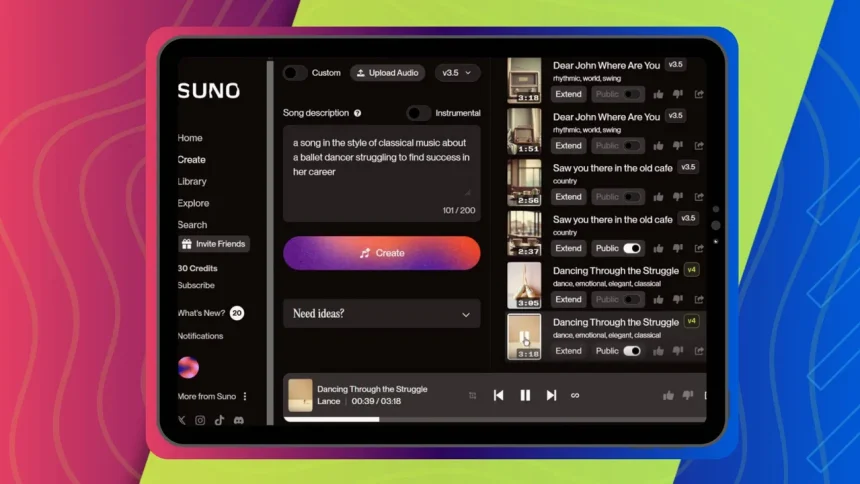
The inner workings of the generative AI music landscape have long been shrouded in mystery, but a recent data breach has finally shed light on the controversial methods used by industry leader Suno. As the platform faces mounting scrutiny, leaked internal files are providing a rare glimpse into the massive scale of data ingestion that powers its creative output.
Uncovering the Scale of Data Scraping
New evidence surfaced by 404 Media suggests that Suno’s AI models were built upon a foundation of millions of copyrighted tracks and lyrical compositions. The leaked documentation indicates that the company systematically harvested content from major streaming and hosting platforms, including YouTube Music, Deezer, and Genius, alongside various digital audio archives.
To put the magnitude of this operation into perspective, one specific file suggests that over two million individual clips were pulled from YouTube Music alone. This repository of training material reportedly spans thousands of hours of audio, encompassing everything from professional vocal recordings and complex musical arrangements to spoken-word podcasts. For months, Suno remained tight-lipped regarding the specific composition of its training sets; these documents now provide the most comprehensive evidence to date regarding the company’s data acquisition strategy.
Legal Battles and the “Fair Use” Defense
This revelation arrives at a critical juncture for the company, which is currently embroiled in high-stakes litigation initiated by major record labels. These industry giants argue that Suno has engaged in widespread copyright infringement by utilizing protected intellectual property to train its generative algorithms without authorization.
While Suno has consistently defended its practices by stating that its models are trained on publicly accessible metadata and audio files, the company maintains that these actions are protected under the doctrine of “fair use.” However, the emergence of these internal documents complicates that narrative. By detailing the systematic scraping of streaming platforms, the leak provides ammunition for critics who argue that the company’s growth was fueled by the unauthorized exploitation of artists’ work rather than transformative, independent learning.
As the legal system grapples with the intersection of AI development and intellectual property rights, this incident serves as a stark reminder of the tension between technological innovation and the protection of creative labor. With the global generative AI market projected to reach significant valuations in the coming years, the outcome of this case could set a definitive precedent for how AI companies source their training data moving forward.