




The Hidden Dangers of Protein Deficiency: Is Your Body Signaling a Crisis?
Protein is the fundamental building block of human health, acting as the primary structural component for muscles, skin, enzymes, and hormones. While many people focus on macronutrient counting for weight management, failing to consume adequate protein can trigger a cascade of physiological issues that go far beyond simple fatigue.
If you aren’t meeting your daily requirements-typically recommended at 0.8 grams per kilogram of body weight for sedentary adults, though often higher for active individuals-your body may begin to cannibalize its own tissues to maintain essential functions.
1. Persistent Muscle Atrophy and Weakness
When dietary protein is scarce, the body enters a catabolic state. It begins breaking down skeletal muscle to liberate amino acids for vital organs like the heart and brain. You might notice that your strength training sessions feel increasingly difficult or that you are losing muscle definition despite consistent effort. Research indicates that sarcopenia-the age-related loss of muscle mass-is significantly accelerated in individuals with chronically low protein intake.
2. Compromised Immune Resilience
Your immune system relies heavily on protein to synthesize antibodies and white blood cells. A deficiency can leave you vulnerable to recurring infections and prolonged recovery times. Think of protein as the “raw material” for your body’s defense force; without a steady supply, your internal security system cannot manufacture the tools necessary to neutralize pathogens effectively.
3. Edema and Fluid Retention
One of the most overlooked signs of protein deficiency is swelling, particularly in the feet, ankles, and abdomen. Albumin, a protein found in the blood, plays a critical role in preventing fluid from leaking out of your blood vessels into surrounding tissues. When albumin levels drop due to insufficient protein, fluid accumulates in the extremities, leading to noticeable puffiness and discomfort.
4. Brittle Hair, Skin, and Nails
Because your body prioritizes internal organ function over aesthetic maintenance, your hair, skin, and nails are often the first to suffer when protein is in short supply. You may notice your hair becoming thin or brittle, your skin developing dry, flaky patches, or your nails becoming prone to splitting. These are external indicators that your body is struggling to produce the keratin and collagen necessary for structural integrity.
How to Reclaim Your Protein Balance
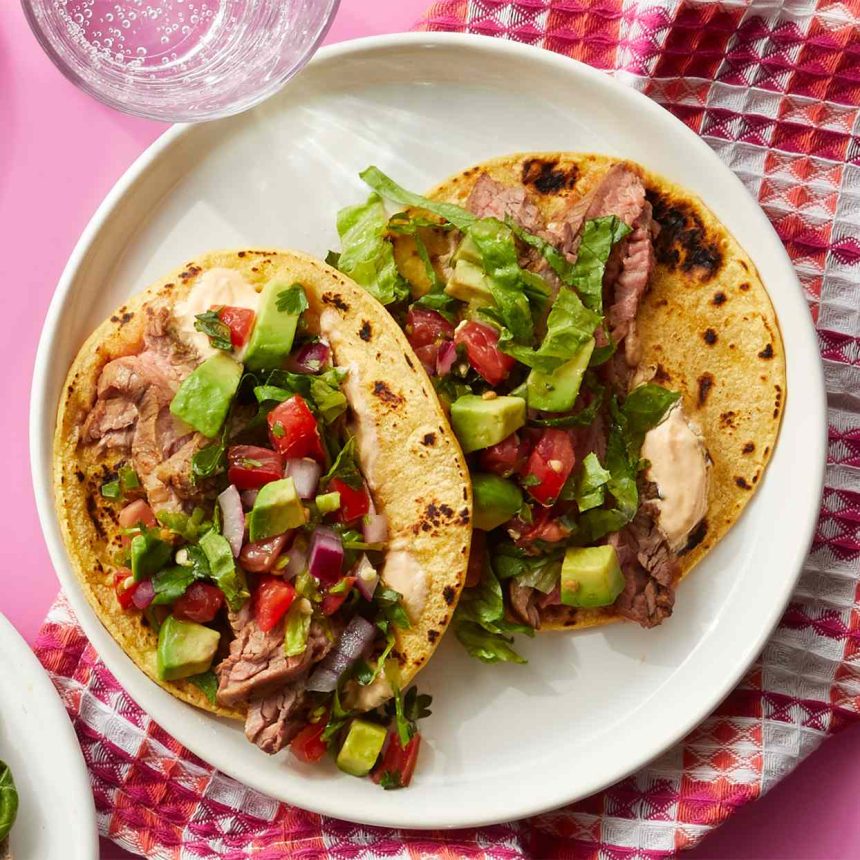
If you suspect your intake is insufficient, the solution isn’t necessarily to start consuming massive amounts of meat. Instead, focus on diversifying your protein sources:
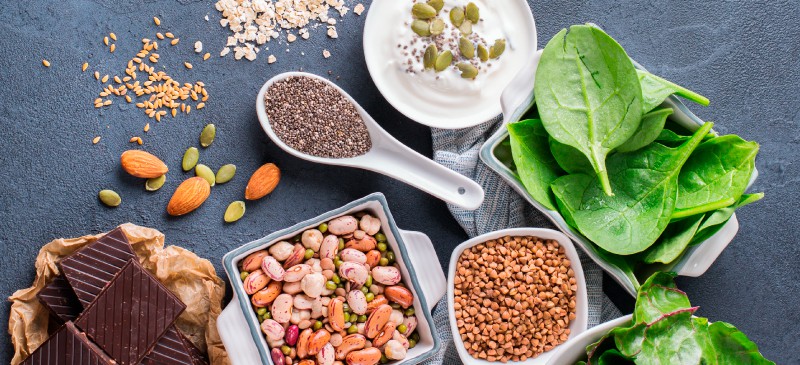
* Plant-Based Powerhouses: Incorporate lentils, chickpeas, quinoa, and hemp seeds into your meals. These provide fiber alongside essential amino acids.
* High-Quality Animal Proteins: Opt for lean sources like Greek yogurt, eggs, wild-caught fish, and poultry.
* Strategic Snacking: Swap processed snacks for protein-dense options like almonds, edamame, or cottage cheese.
By prioritizing protein at every meal, you provide your body with the necessary tools to repair tissues, regulate hormones, and maintain a robust immune response. If you are concerned about your specific nutritional needs, consulting with a registered dietitian can help you create a sustainable plan tailored to your lifestyle.