




## The End of the Capsule Era: Analyzing the Financial Shift in Counter-Strike Major Stickers
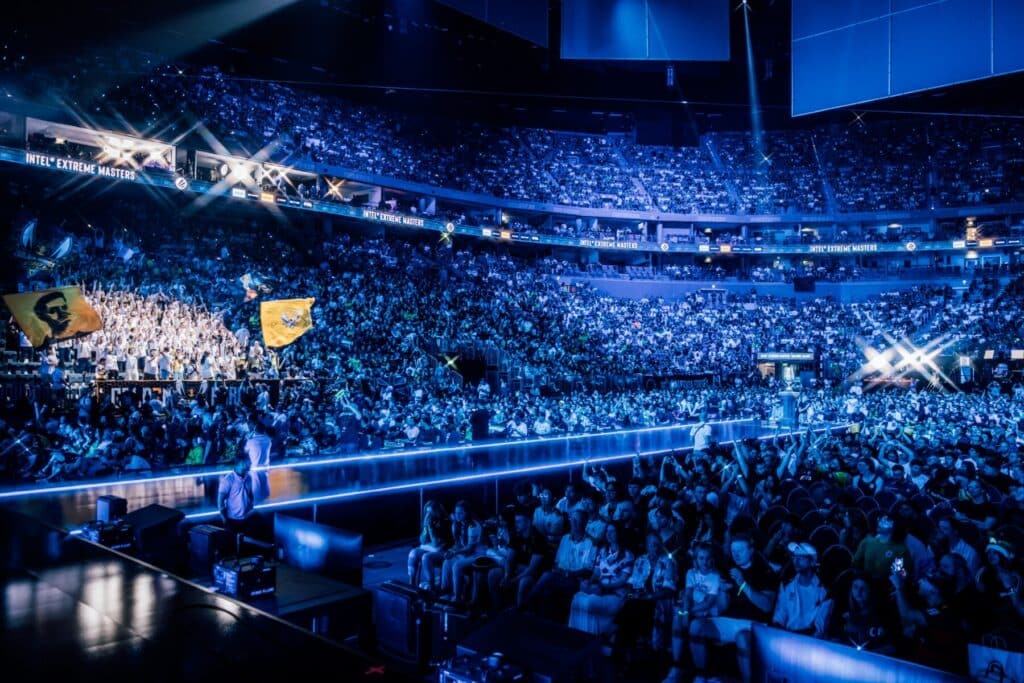
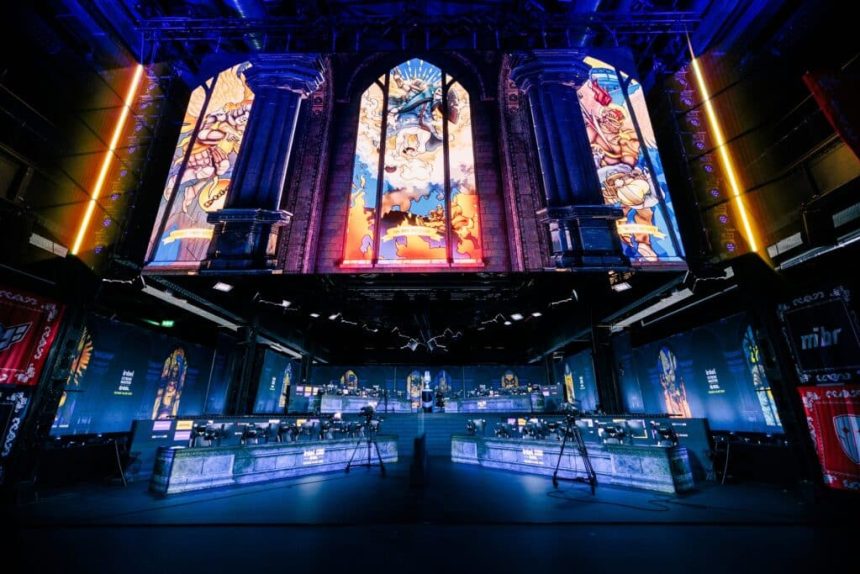
The Counter-Strike ecosystem is currently navigating a seismic shift in its digital economy. With the arrival of IEM Cologne 2026, Valve has officially retired the long-standing “capsule” model-a staple of the game’s economy for over a decade-replacing it with a direct-purchase token shop. This transition allows players to bypass the randomness of unboxing, enabling them to acquire specific team logos or player autographs for a fixed, transparent price.
### A Consumer-Friendly Facade with Hidden Costs
On the surface, this pivot appears to be a massive victory for the average fan. The frustration of spending money on randomized capsules only to receive unwanted items has been eliminated. If you want a specific pro player’s signature, you simply pay the set fee and secure the asset.
However, this shift in mechanics has triggered a significant decline in revenue for professional organizations. Historically, the “gambling” element of capsules drove massive volume; fans would purchase dozens, if not hundreds, of capsules in hopes of pulling rare holographic or gold variants. By removing the element of chance, Valve has inadvertently throttled the secondary market velocity that previously funneled millions of dollars into the pockets of participating teams.
### The Economic Ripple Effect on Esports Sustainability
The financial health of the professional scene is inextricably linked to these sticker sales. For many organizations, sticker revenue represents a substantial portion of their annual operating budget-often accounting for 30% to 50% of their total income.
Recent industry projections suggest that under this new fixed-price model, team revenue could plummet by as much as 40% compared to previous Majors. Unlike the previous system, where the “chase” for rare items kept the market liquid, the current model lacks the speculative excitement that drives high-volume spending. If this trend continues, we may see a contraction in the professional scene, as smaller organizations struggle to justify the costs of maintaining rosters without the safety net of lucrative sticker payouts.
### Looking Ahead: Can the Scene Adapt?
The transition to a direct-purchase model mirrors trends seen in other digital marketplaces, such as the shift toward battle passes or direct skin shops in titles like *Valorant*. While it offers a more predictable experience for the consumer, it fundamentally alters the incentive structure that has sustained Counter-Strike esports for years.
As the community continues to debate the merits of this change, the focus must shift toward how Valve and tournament organizers can bridge the revenue gap. Without a new mechanism to incentivize high-volume spending, the long-term stability of the professional circuit remains in a precarious position.
Keep Reading