



Elevate Your Recovery: The Definitive Guide to Vibrating Foam Rollers
After an intense training session, the standard foam roller often feels like a blunt instrument. To truly accelerate muscle repair and alleviate deep-seated tension, many athletes are turning to the next evolution in recovery technology: the vibrating foam roller. By combining traditional myofascial release with high-frequency oscillation, these devices help increase blood flow and desensitize painful trigger points more effectively than static rollers.
Our team collaborated with physical therapists and sports performance coaches to rigorously evaluate the current market. We put dozens of models through their paces, focusing on battery longevity, vibration intensity, and ergonomic design.
Why Vibration Matters for Myofascial Release
While a standard roller relies entirely on your body weight to compress tissue, a vibrating model introduces mechanical stimulation. Research suggests that vibration therapy can help “gate” pain signals, allowing you to work through tight knots with less discomfort. According to recent data from the Journal of Sports Science & Medicine, incorporating vibration into recovery protocols can significantly improve range of motion compared to static stretching alone. Think of it like the difference between scrubbing a stain by hand versus using an electric power brush; the added frequency does the heavy lifting for you.
Key Features to Consider Before You Buy
When selecting the right tool for your recovery kit, prioritize these three pillars:
* Amplitude and Frequency: Look for devices that offer at least three distinct speed settings. Lower frequencies are ideal for warming up stiff muscles, while higher settings are better for targeting stubborn adhesions in the quads or lats.
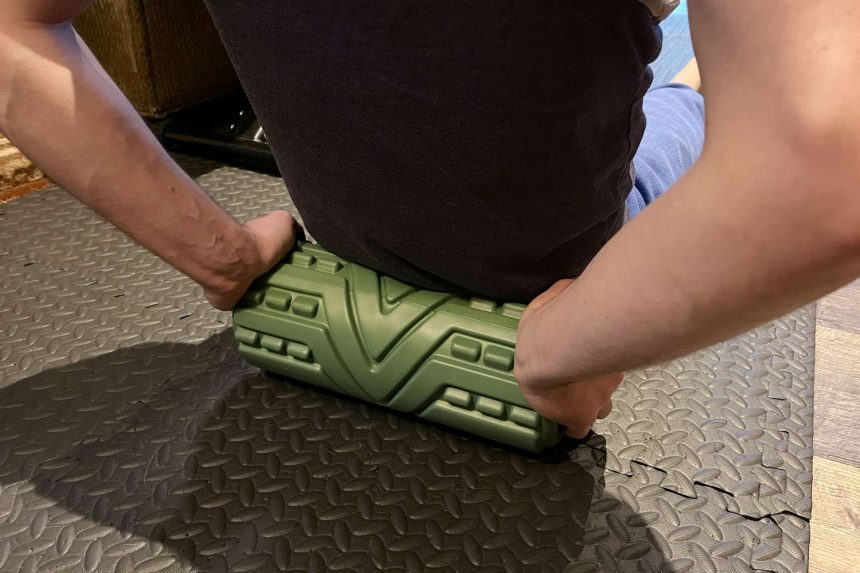
* Surface Texture: A roller with a varied surface-featuring both ridges and flat zones-allows you to switch between deep-tissue penetration and broader, gentler massage.
* Battery Efficiency: A high-quality roller should provide at least two hours of continuous use on a single charge. Given that most recovery sessions last between 10 and 15 minutes, you shouldn’t need to tether yourself to a wall outlet more than once a week.
Optimizing Your Post-Workout Routine
To get the most out of your investment, avoid the common mistake of rolling too quickly. Spend at least 30 to 60 seconds on each major muscle group. If you encounter a particularly sensitive spot, pause the roller directly over the area and let the vibration penetrate the tissue for 15 seconds before slowly moving on. This “pin and hold” technique is far more effective for long-term mobility gains than rapid, repetitive rolling.
Whether you are a marathon runner dealing with tight IT bands or a weightlifter managing back soreness, integrating these devices can be a game-changer for your consistency and performance.