




The Evolution of Windows: From Operating System to Ad Platform
While Microsoft is widely recognized for its dominance in hardware, cloud computing, and enterprise software, it is increasingly accurate to categorize the tech giant as a massive advertising entity. The financial data from 2025 underscores this shift, revealing that the company generated a staggering $10 billion specifically from “search and news advertising.” This monetization strategy has fundamentally altered the user experience; even though Windows is a premium, paid product, the operating system has become saturated with promotional content, appearing in everything from the Start menu to system notifications.
When Windows Update Becomes a Billboard
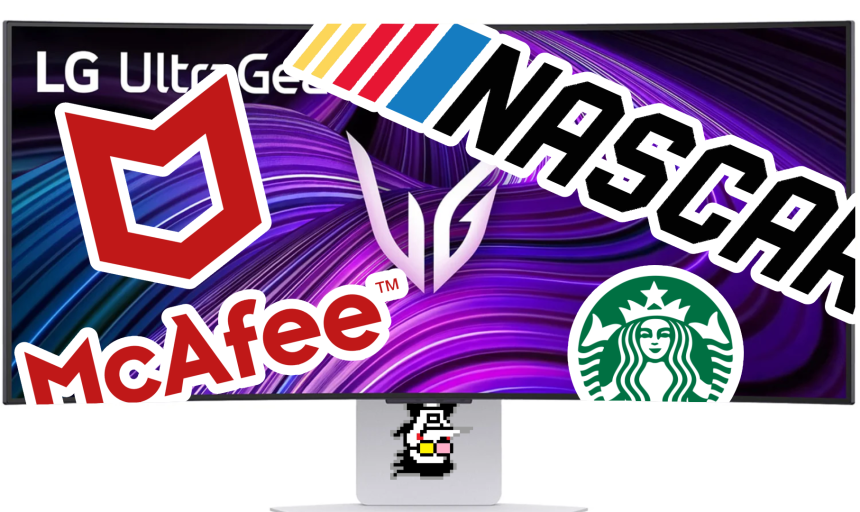
The intrusion of marketing into the OS has reached a new level of controversy. Recently, users operating LG monitors reported an unsettling discovery: their systems were receiving unsolicited advertisements pushed directly through the Windows Update channel. These weren’t subtle suggestions for Microsoft’s own ecosystem or even relevant hardware drivers for their displays. Instead, users were greeted with aggressive promotions for third-party security software like McAfee.
This practice mirrors the long-standing frustration surrounding “bloatware”-the pre-installed, often unnecessary software that has clogged budget laptops for decades. By leveraging the update mechanism to push third-party commercial software, Microsoft is blurring the line between essential system maintenance and intrusive marketing. For many, this feels like a betrayal of the trust placed in a paid operating system, transforming a utility tool into a vehicle for unwanted third-party sales pitches.