




The Electric Renaissance of the A-Segment: Honda’s Strategic Pivot
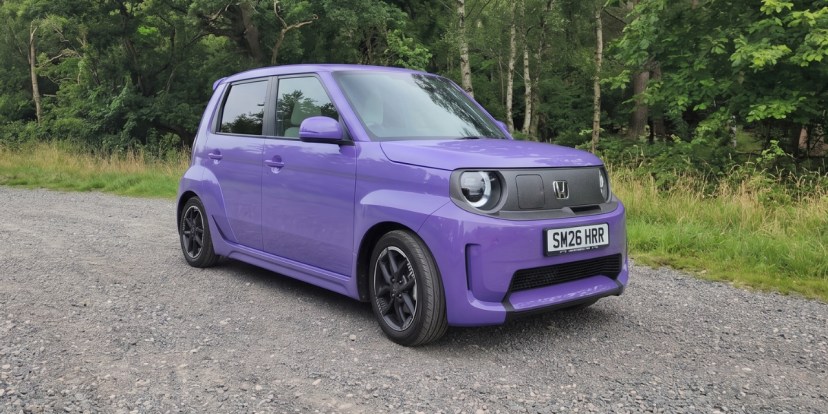
For years, the automotive industry has witnessed a steady decline in the A-segment-the compact city car category-as escalating manufacturing expenses forced manufacturers to pivot toward larger, more profitable SUVs. This shift left urban commuters with a shrinking pool of budget-friendly choices. However, the tide is turning. As the cost of lithium-ion battery technology continues its downward trajectory, the viability of small-scale electric vehicles (EVs) is being restored. Leading this charge is the Honda Super-N, a four-seat electric city car debuting in the UK market with a competitive price tag of €22,274, signaling that agile, urban-focused mobility can be both accessible and genuinely engaging to drive.
A Fresh Chapter for Honda’s EV Strategy
The introduction of the Super-N represents a critical turning point for Honda, effectively serving as a “hard reset” for the brand’s electrification roadmap. Previously, the manufacturer faced significant hurdles in capturing the EV market. Their earlier attempts, such as the Honda E, were praised for their aesthetic charm but criticized for their premium pricing and limited range, while the e:Ny1 SUV failed to resonate with consumers looking for a distinct electric identity. By focusing on the Super-N, Honda is moving away from niche, high-cost experiments and toward a more pragmatic, volume-driven approach that prioritizes the needs of the modern city dweller.
Why Small EVs Are Making a Comeback
The resurgence of the city car is supported by broader industry data. According to recent market analysis, the average price of EV battery packs has plummeted by nearly 90% over the last decade, dropping below the $140/kWh threshold. This economic shift allows automakers to pack sufficient range into smaller chassis without the prohibitive costs that plagued earlier models. Much like the transition from bulky desktop computers to efficient, high-performance laptops, the automotive sector is finally miniaturizing technology without sacrificing utility. The Super-N is poised to capitalize on this, offering a nimble solution for congested metropolitan areas where parking space is at a premium and maneuverability is paramount.