





# Legislative Hurdles: The Future of the Digital Asset Market Clarity Act
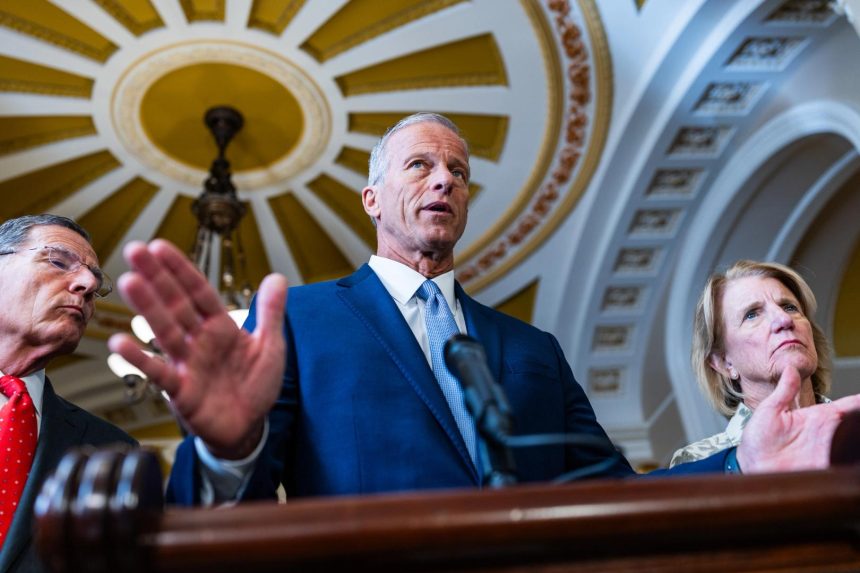
As the 2026 legislative calendar narrows, the path forward for comprehensive cryptocurrency regulation appears increasingly obstructed. Senate Majority Leader John Thune has signaled that the ambitious timeline for passing the Digital Asset Market Clarity Act before the upcoming summer recess is likely unattainable.
### A Shift in Legislative Momentum
For months, industry stakeholders and bipartisan negotiators had circled August 7 as the critical “drop-dead” date for the bill. The consensus was that if the legislation failed to clear the Senate floor by this window, the prospects for a 2026 enactment would diminish significantly. With lawmakers preparing to pivot toward intense midterm election campaigning, the legislative bandwidth for complex financial policy is rapidly evaporating.
While Thune acknowledged that the primary deadline will likely be missed, he offered a glimmer of hope. He indicated that leadership is still aiming to initiate the formal floor process-the procedural groundwork-before senators depart for their districts. This move would serve as a placeholder, keeping the bill alive for a potential post-recess push, though the political climate will be far more volatile as election season heats up.
### Conflicting Outlooks from the Executive Branch
Despite the skepticism emanating from Senate leadership, the White House remains publicly optimistic. Patrick Witt, the administration’s senior crypto adviser, recently countered the narrative of a stalled process. In a statement to industry press, Witt maintained that the first week of August remains a viable window for progress, suggesting that the administration is still pushing for a breakthrough before the recess begins.
### The Stakes for the Crypto Industry
The urgency surrounding the Digital Asset Market Clarity Act stems from the need for regulatory certainty in a sector that has seen massive volatility. According to recent industry data, the lack of a unified federal framework has contributed to a 15% increase in legal uncertainty for decentralized finance (DeFi) startups over the last two quarters.
Much like a ship navigating through dense fog without a compass, the current crypto market is operating under fragmented state-level guidelines. A federal bill would act as a lighthouse, providing the clear, standardized rules necessary for institutional investors to commit capital with confidence. Without this legislative clarity, the U.S. risks falling behind global jurisdictions that have already implemented comprehensive digital asset frameworks.
As the clock ticks toward the August recess, the tension between legislative reality and political ambition continues to define the trajectory of crypto policy in Washington.