





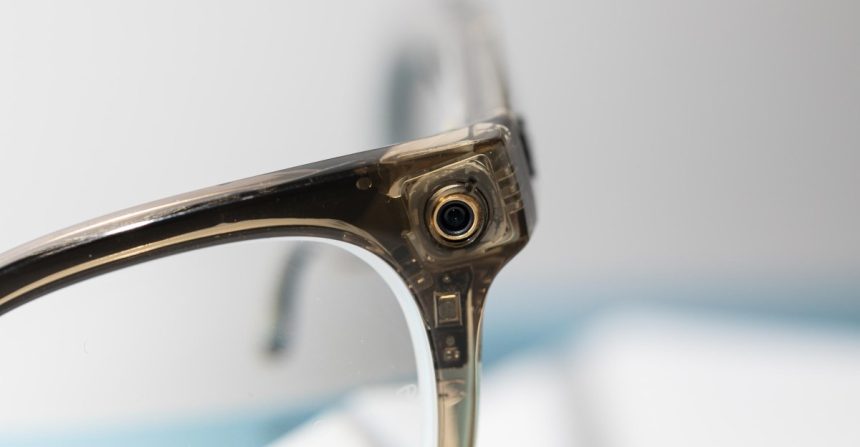
Apple’s Strategic Pivot: Navigating the Smart Glasses Landscape
As the wearable technology market matures, industry analysts are turning their attention toward Cupertino. Recent reports from Mark Gurman suggest that Apple is preparing to unveil its inaugural pair of smart glasses during the Worldwide Developers Conference (WWDC) next June. While the initial reveal is slated for mid-2027, a full commercial rollout is anticipated to follow by the end of that year.
The Privacy Paradox
The primary hurdle delaying Apple’s entry into this space is not technological capability, but rather the company’s rigid commitment to user privacy. The current smart glasses market-dominated by Meta-has faced significant public backlash regarding the potential for surreptitious recording.
For over a decade, Apple has positioned itself as the industry standard-bearer for data protection. Entering a product category inherently associated with “stealth” surveillance presents a unique branding challenge. If Apple fails to differentiate its hardware from existing competitors, it risks eroding the trust it has meticulously cultivated with its user base.
A Different Approach to Wearable Intelligence
To mitigate these concerns, Apple is reportedly steering its development away from the aggressive data-harvesting tactics seen in rival products. Industry insiders suggest the company will prioritize:
* On-Device Processing: By keeping data local rather than pushing it to the cloud, Apple aims to minimize the risk of unauthorized data exposure.
* Feature Limitations: Unlike Meta’s “super sensing” capabilities, Apple is expected to omit controversial tools like real-time facial recognition.
* Ethical AI Training: In a move to further distance itself from competitors, Apple is reportedly committed to ensuring that user-captured footage will not be utilized to train its internal AI models.
Market Context and Future Outlook
The wearable sector is currently experiencing a surge in interest, with global shipments of smart eyewear projected to grow significantly as battery efficiency and lens transparency improve. However, Apple’s entry will be measured. By opting for a more conservative feature set, the company is betting that consumers will prioritize a “privacy-first” experience over the invasive, high-utility features currently offered by competitors.
Whether this cautious strategy will allow Apple to capture the market share currently held by Meta remains to be seen, but the upcoming WWDC reveal will undoubtedly serve as a litmus test for the company’s vision of the future of personal computing.