





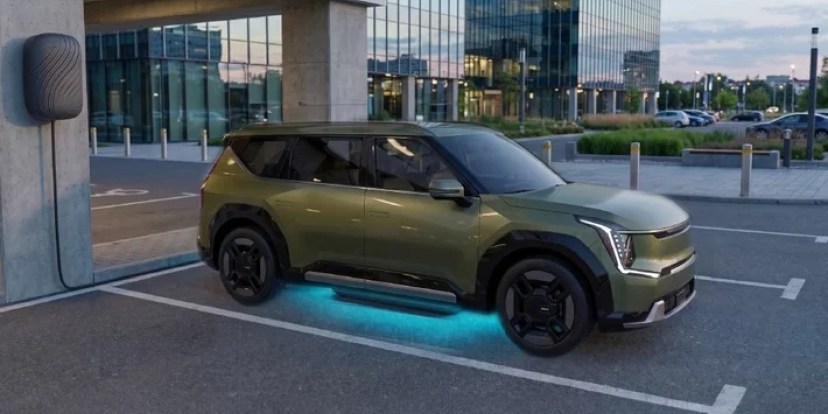
The Uncomfortable Reality of EV Charging Infrastructure
For those who have made the switch to electric vehicles, the daily reality of “refueling” often feels like a step backward in convenience. Picture this: it’s a frigid, rain-lashed Tuesday evening. You pull into a dimly lit parking structure, shivering as you step out into the elements. Instead of a seamless experience, you are forced to grapple with a heavy, grime-coated charging cable that has been lying in a puddle of road sludge all day. It is, without question, the most tedious and unpleasant chore in the modern driving experience.
While the automotive industry is busy boasting about cutting-edge advancements-such as 800V electrical architectures, high-efficiency silicon carbide inverters, and blistering quad-motor performance-the fundamental act of powering up remains stuck in the past. We are essentially using 19th-century physical connection methods to support 21st-century technology.
Why Cables Are the Industry’s “Dirty Secret”
The reliance on cumbersome, manual cables is the hidden flaw in the electric mobility revolution. For years, EV advocates have jokingly looked down on internal combustion engine drivers for the lingering scent of gasoline on their hands after a trip to the pump. Yet, the irony is palpable: EV owners are regularly dragging thick, copper-laden leads through filthy parking lot runoff, often scraping their knuckles against frozen charge ports in the process.
The Shift Toward Invisible Power
The industry is finally beginning to recognize that for EVs to achieve true mass-market adoption, the charging process must become invisible. Just as we moved from wired landlines to seamless Wi-Fi, the future of transport lies in wireless energy transfer.
Recent data from the International Energy Agency (IEA) highlights that the global EV fleet is expected to reach over 250 million vehicles by 2030. With this surge in volume, the logistical nightmare of managing thousands of public charging cables becomes unsustainable. Innovations like inductive charging-where energy is transferred through magnetic fields embedded in the ground-are moving from experimental prototypes to real-world applications. By turning standard parking bays into active charging zones, we can eliminate the “cable struggle” entirely, allowing vehicles to charge simply by being parked in the right spot.