



Pixels Shifts Strategy: Opening the Door to Community-Driven Development
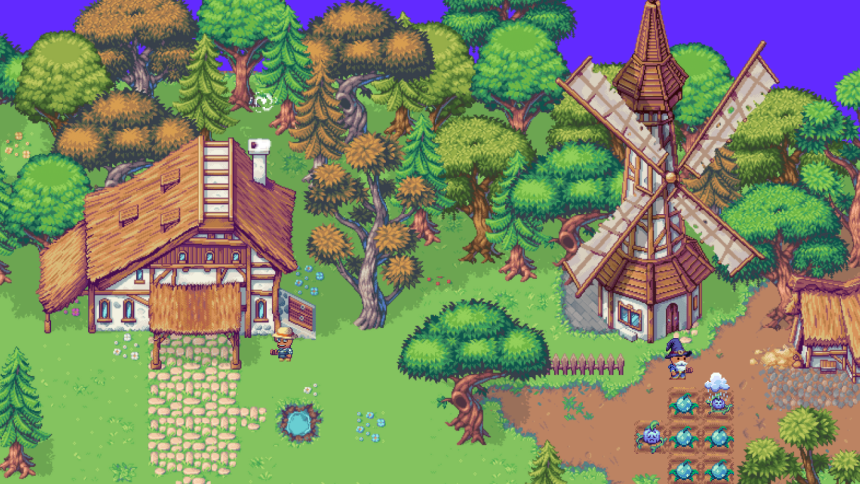
In a significant strategic pivot, the team behind the popular blockchain title Pixels has officially transitioned its game client to an open-source model. The full codebase is now publicly accessible via GitLab, which you can explore here.
Beyond the Code: A New Era for MMOs
While the announcement might initially appear to be a niche update tailored for software engineers or tech enthusiasts, its implications are far more profound. This move signals a fundamental change in the trajectory of the game’s ecosystem. By moving away from a closed-garden development model, Pixels is effectively decentralizing its creative future, inviting the broader community to participate in the evolution of the virtual world.
Rather than viewing the game as a static product tethered solely to the internal roadmap of its original creators, the company is transforming the title into a collaborative foundation. This shift empowers third-party developers and digital creators to contribute directly to the user experience, fostering an environment where the community plays an active role in shaping the game’s growth.
Understanding the Open-Source Scope
To clarify what this means for the average player, it is important to distinguish between the front-end and the back-end. The code now available to the public is the client-side software-the engine that powers the visuals, handles user inputs, manages the interface, and facilitates communication between your device and the game’s servers.
Think of this like the architecture of a house: the open-source client provides the blueprints for the windows, the doors, and the interior layout, allowing anyone to suggest improvements or custom modifications to how the space is experienced. However, the “foundation” and “utilities”-specifically the core game logic, the persistent world state, the integrity of the in-game economy, and player inventory data-remain securely managed by the Pixels backend infrastructure. This ensures that while the community can innovate on the presentation and interaction layers, the game’s core security and economic stability remain protected.
The Future of Collaborative Gaming
This move aligns with a growing trend in the Web3 gaming space, where transparency and community ownership are becoming key differentiators. By allowing developers to inspect and build upon the client, Pixels is likely to see an influx of community-made mods, interface enhancements, and accessibility tools that the original team might not have had the bandwidth to prioritize. As the industry matures, this collaborative approach could set a new standard for how MMOs maintain longevity and relevance in a competitive digital landscape.