




## The Shift to OLED: Samsung Secures Exclusive Deal for Future MacBook Pro Displays
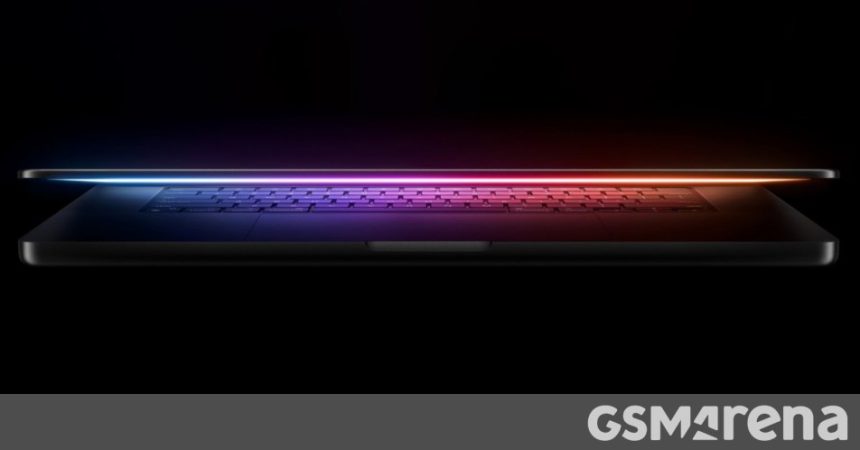
The long-anticipated transition to OLED technology for Apple’s professional laptop lineup is finally gaining momentum. Industry insiders suggest that Apple is preparing to launch 14-inch and 16-inch MacBook Pro models featuring touchscreen OLED panels, with a projected release window between late 2026 and early 2027. Fresh insights from the South Korean publication *The Elec* indicate that Apple has officially tapped Samsung Display to serve as the sole provider for these advanced screens.
### Why Samsung Won the Bid
While industry speculation previously suggested that LG Display might share the production load, Apple has opted for a single-source strategy. The decision appears to hinge on manufacturing efficiency. Reports indicate that LG proposed utilizing its existing sixth-generation OLED production lines; however, Samsung successfully pitched its more sophisticated 8.6-generation OLED technology. This newer generation offers superior energy efficiency and higher production yields, which ultimately proved to be the deciding factor in securing Apple’s exclusive partnership.
### Production Scale and Strategic Impact
The scale of this collaboration is significant. Current projections estimate that Samsung will manufacture approximately 2.5 million OLED units specifically for these next-generation MacBooks. This move underscores Apple’s commitment to premium display standards, mirroring the high-end visual experience currently found in their iPad Pro and iPhone lineups.
Beyond the MacBook project, Samsung’s dominance in the display sector continues to grow. The company is also slated to be the primary display partner for the rumored “iPhone Ultra,” further cementing its role as the backbone of Apple’s hardware evolution. As the industry moves toward more vibrant, power-efficient displays, this partnership positions Samsung as the critical gatekeeper for Apple’s future hardware aesthetics.
### What This Means for Users
For the end user, this transition represents more than just a screen upgrade. The integration of OLED technology-combined with the long-rumored touchscreen functionality-marks a fundamental shift in how professionals will interact with macOS. By moving away from traditional LCD/Mini-LED backlighting, users can expect deeper blacks, infinite contrast ratios, and improved battery longevity, setting a new benchmark for the portable workstation market.