





Decoding the Impact of Ultra-Processed Foods: Insights from Clinical Trials
Have you ever wondered what occurs in the body when ultra-processed foods are consumed in a controlled environment, specifically when they are perfectly balanced against whole foods in terms of fiber, sugar, fat, and total caloric intake? A landmark randomized controlled trial recently sought to answer this exact question, challenging our understanding of how these industrial products influence our health.
Defining the “Ultra-Processed” Category
While the colloquial term “junk food” is frequently used to categorize items like potato chips, sugary confections, or frozen desserts, it lacks a precise scientific definition. To bridge this gap, nutrition experts developed the classification of “ultra-processed foods.”
These items are essentially industrial concoctions. Unlike traditional cooking, which relies on whole ingredients, these products are defined by complex ingredient labels featuring substances you would never find in a home kitchen. This includes a cocktail of synthetic emulsifiers, artificial colorings, chemical sweeteners, and flavor enhancers designed to mask the poor quality of the base ingredients or to mimic the sensory experience of authentic, whole foods. This category describes a manufacturing process that prioritizes shelf-stability and hyper-palatability over nutritional integrity.
The Traffic Light Approach to Nutrition
In my personal framework for healthy eating, I categorize items using a traffic light system. This approach encourages individuals to prioritize “green light” whole foods, consume “yellow light” processed items in moderation, and strictly limit or avoid “red light” foods. Unfortunately, modern dietary patterns are heavily skewed toward the latter. Current data indicates that a significant portion of the average daily caloric intake in Western nations now comes from these ultra-processed sources, including:
- Ready-to-heat frozen meals and TV dinners
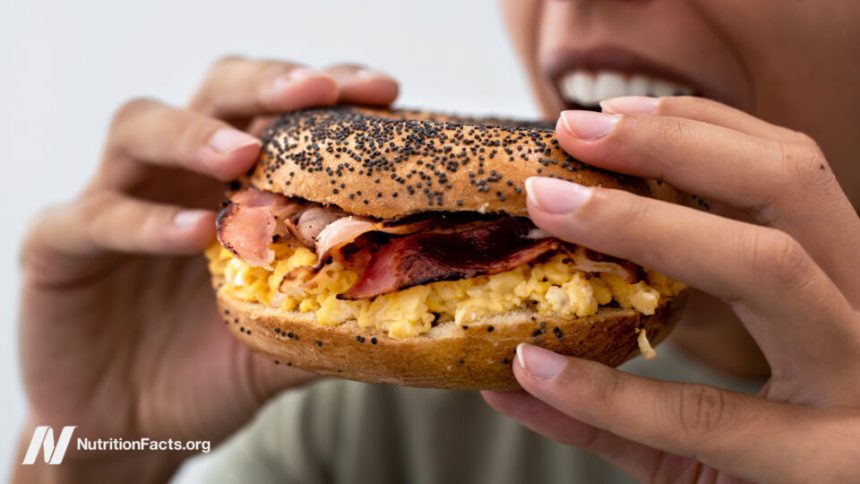
- Processed meats like sausages, hot dogs, and chicken nuggets
- Commercially baked goods, cakes, and sweetened breakfast cereals
- Sugar-sweetened beverages and mass-produced snacks
This shift toward industrial food consumption has been linked to a variety of chronic health issues. As noted in my book, How Not to Die, the prevalence of these items in our food supply is a primary driver of the current metabolic health crisis. Recent studies eat away at the notion that these foods can be part of a balanced diet, suggesting that the very nature of their processing-not just their nutrient profile-is what makes them detrimental to human health.