




By Alex Billington | July 30, 2026 | Source: YouTube

Revisiting a Cinematic Misstep: The Story Behind ‘Boorman and the Devil’
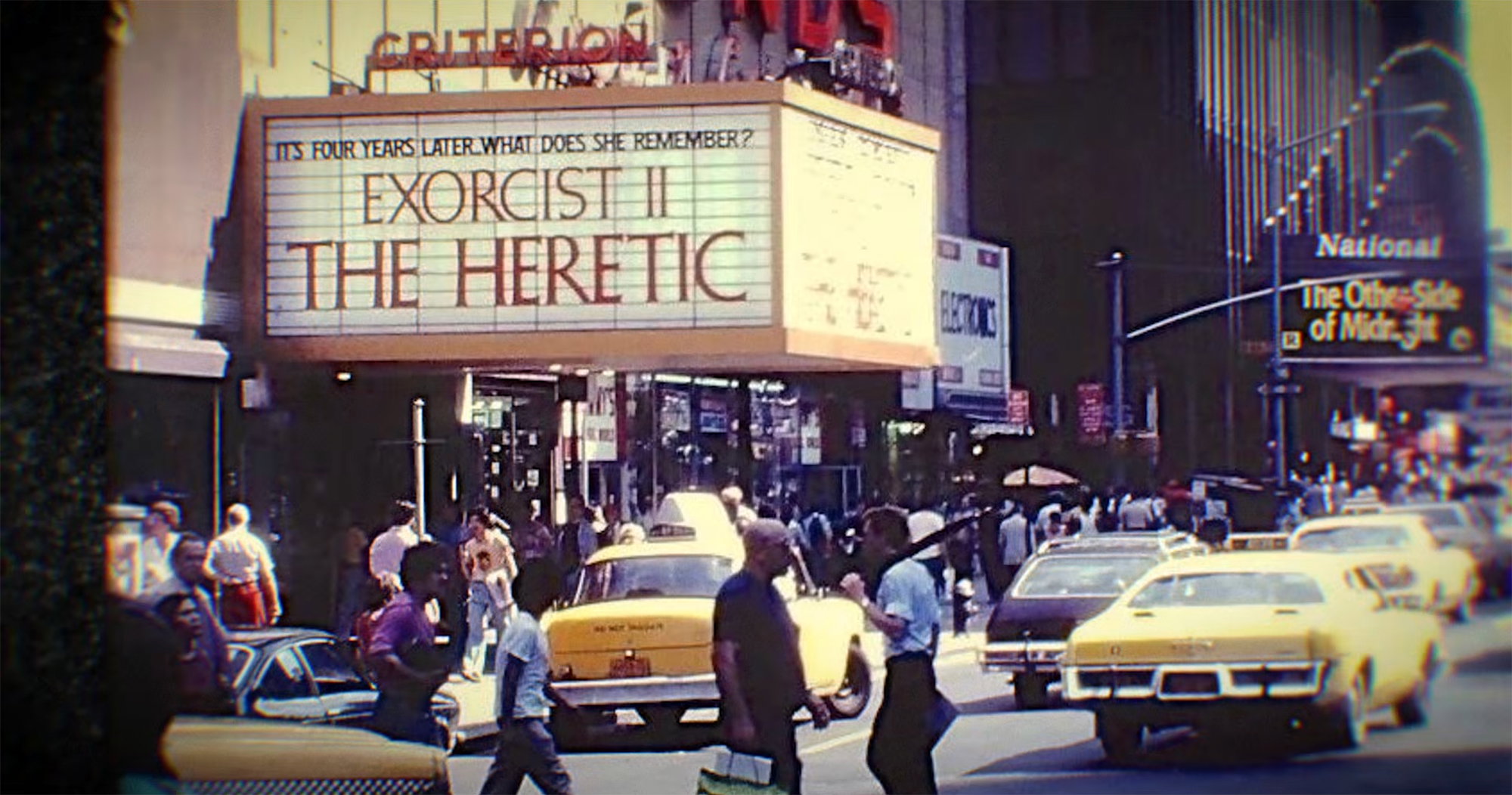
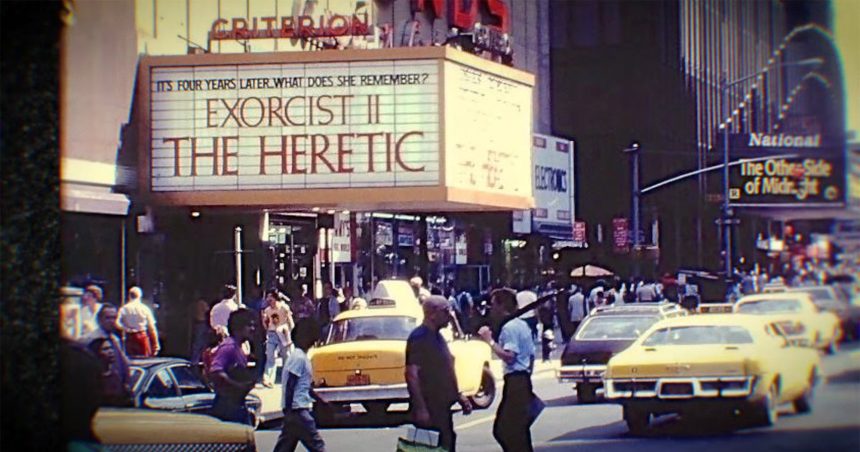
“We all make failures. Try not to make a famous one…” This haunting sentiment anchors the new trailer for Boorman and the Devil, a compelling documentary distributed by Yellow Veil Pictures. The film serves as a deep dive into one of the most notorious chapters in Tinseltown lore: the production of Exorcist II: The Heretic.
From Critical Acclaim to Box Office Infamy
Before the mid-70s, John Boorman was riding high on the success of gritty, genre-defining hits like Point Blank and Deliverance. However, his decision to helm the 1975 sequel to William Friedkin’s horror masterpiece proved to be a career-defining hurdle. Exorcist II was met with immediate, scathing reviews and dismal box office returns, a stark contrast to the cultural phenomenon of the original. In the current landscape of cinema, where sequels are often formulaic, this documentary highlights the rarity of a director attempting to reinvent a franchise so radically.
The Philosophy of the “Big Swing”
The documentary, which garnered attention during its 2025 Venice Film Festival premiere, does more than just recount a failure; it serves as a meditation on the necessity of artistic risk. The director of the documentary notes, “I miss big, ambitious filmmaking that takes huge risks.” Much like Michael Cimino’s Heaven’s Gate-another legendary production that famously derailed a career only to be re-evaluated by modern critics-Boorman’s work on The Heretic is now being viewed through a more forgiving lens. It represents a time when studios allowed auteurs to experiment with massive budgets, even if the results were polarizing.
Why It Matters Today
As audiences prepare for the film’s limited run in art house theaters this September, the documentary invites us to reconsider the value of “swinging for the fences.” While the film was a commercial disaster in 1977, the documentary argues that the industry is currently suffering from a lack of such bold, albeit flawed, creative ambition. By interviewing the original cast and crew, the film provides a nuanced look at why Boorman’s vision failed to connect with contemporary audiences, while simultaneously celebrating the audacity required to attempt such a project in the first place.