



The Hidden Risks of Leaving Water Bottles in Your Vehicle
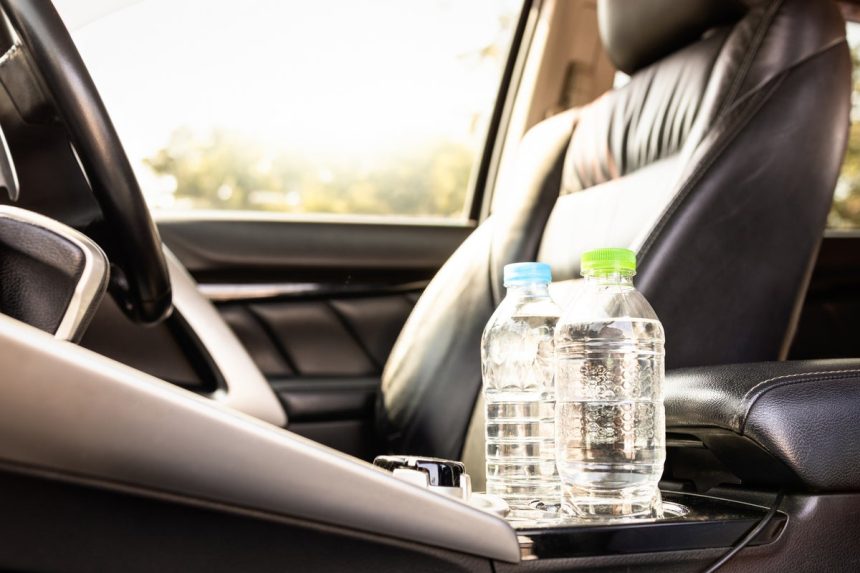
We have all heard the common advice: never consume water from a disposable plastic bottle that has been baking in a sweltering car. While often shared as a casual warning, the underlying chemistry reveals legitimate health concerns. Understanding why this practice is discouraged requires a closer look at how heat interacts with the materials used in modern packaging.
Understanding PET and Thermal Instability
Most single-use plastic water bottles are manufactured using polyethylene terephthalate, commonly known as PET. While this durable synthetic polymer is standard for beverage storage due to its lightweight and shatterproof nature, it is not designed to withstand extreme thermal stress. When you avoid drinking water that has been subjected to high temperatures, you are essentially protecting yourself from the chemical breakdown of the container itself.
How Heat Accelerates Chemical Migration
The primary issue arises when plastic containers are subjected to intense heat or prolonged exposure to UV rays. Heat acts as a catalyst, accelerating the migration of chemical additives from the plastic matrix into the liquid contents. Think of it like a tea bag: just as hot water draws flavor and compounds out of tea leaves, heat draws chemical additives out of the plastic walls of the bottle.
A significant concern involves phthalates-substances utilized to enhance the flexibility and durability of plastics. According to Emily Barrett, an associate professor of biostatistics and epidemiology at Rutgers School of Public Health, these compounds can leach into your beverage with alarming speed when the bottle is heated. Research published in various health journals highlights that these substances, alongside other additives found in rigid plastics, function as endocrine disruptors. These chemicals can interfere with the body’s hormonal systems, potentially leading to long-term health complications.
Beyond Chemicals: The Microplastic Factor
Recent studies have further complicated the narrative by highlighting the presence of microplastics. When plastic is degraded by heat, the structural integrity of the bottle weakens, which can lead to the shedding of microscopic plastic particles directly into the water. Recent data suggests that the average bottled water may contain significantly more microplastic particles than previously estimated, and heat exposure is a primary driver in increasing this concentration. By keeping your water in a cool, shaded environment, you minimize the risk of both chemical leaching and the ingestion of these pervasive synthetic particles.