




Navigating the Safety of Romaine Lettuce: What You Need to Know
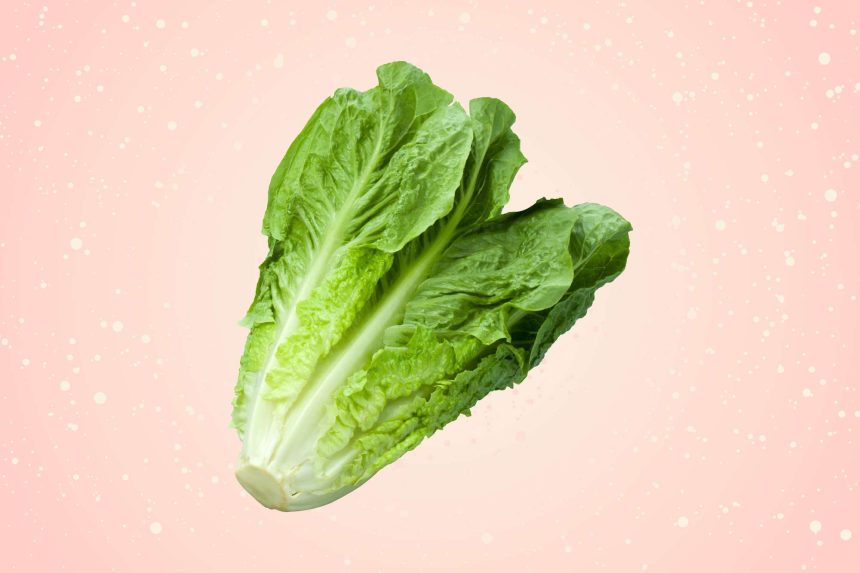
In recent years, headlines regarding food safety have frequently cast a shadow over the produce aisle, with romaine lettuce often finding itself at the center of public concern. Between high-profile recalls and investigative documentaries highlighting systemic issues in the food supply chain, it is natural for health-conscious consumers to question whether this leafy green belongs on their dinner plates.
Understanding the Risks Behind the Recalls
The primary concern surrounding romaine lettuce stems from outbreaks of E. coli and Salmonella. According to the Centers for Disease Control and Prevention (CDC), leafy greens are a common vehicle for foodborne illness because they are often consumed raw, meaning there is no “kill step”-such as cooking-to eliminate potential pathogens.
Recent data suggests that contamination often occurs at the field level, frequently linked to irrigation water tainted by nearby livestock operations or wildlife. While the industry has implemented stricter agricultural water standards, the sheer scale of production makes total risk elimination a complex challenge.
Is Your Salad Still a Healthy Choice?
Despite the occasional news cycle warning, nutritionists emphasize that the health benefits of romaine lettuce-which is rich in Vitamin A, Vitamin K, and folate-far outweigh the statistical risk for the average consumer. To put the danger into perspective, the likelihood of falling ill from a specific batch of lettuce remains statistically low when compared to other common food safety hazards, such as improper handling of raw poultry.
Best Practices for Safer Consumption
Rather than swearing off salads entirely, you can significantly mitigate your risk by adopting a few proactive habits:
* Prioritize Thorough Washing: While pre-washed bags are convenient, giving your greens an extra rinse under cold, running water can help dislodge surface contaminants.
* Mind the Source: Pay close attention to recall notices issued by the FDA. If a specific region or brand is flagged, avoid those products until the situation is resolved.
* Diversify Your Greens: Incorporate a variety of lettuces into your diet, such as arugula, kale, or butter lettuce. Relying on a single type of produce increases your exposure to any localized contamination event.
* Proper Storage: Keep your refrigerator temperature at or below 40°F (4°C) and ensure your lettuce is stored away from raw meat to prevent cross-contamination.
The Bottom Line
The food supply chain is more transparent than ever, and while the threat of contamination is a reality of modern agriculture, it shouldn’t deter you from maintaining a vegetable-rich diet. By staying informed and practicing smart kitchen hygiene, you can continue to enjoy your favorite salads with confidence.