



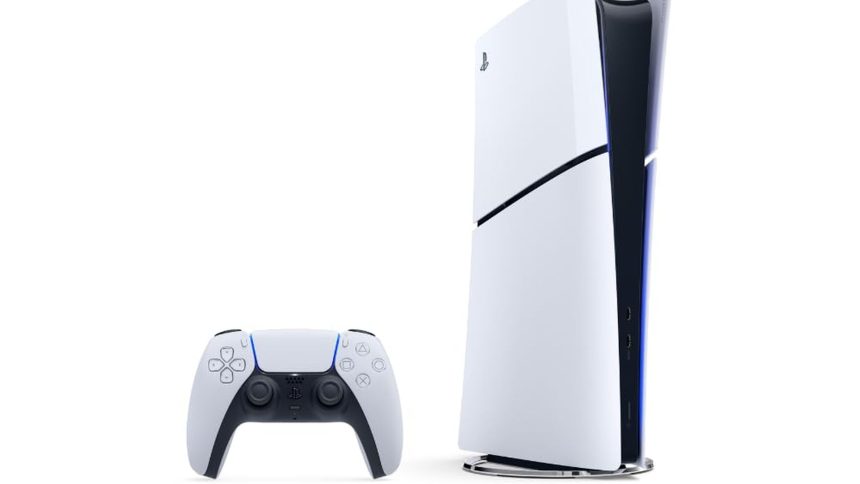
Securing the Hardware Pipeline: Sony’s Strategic Memory Reserves
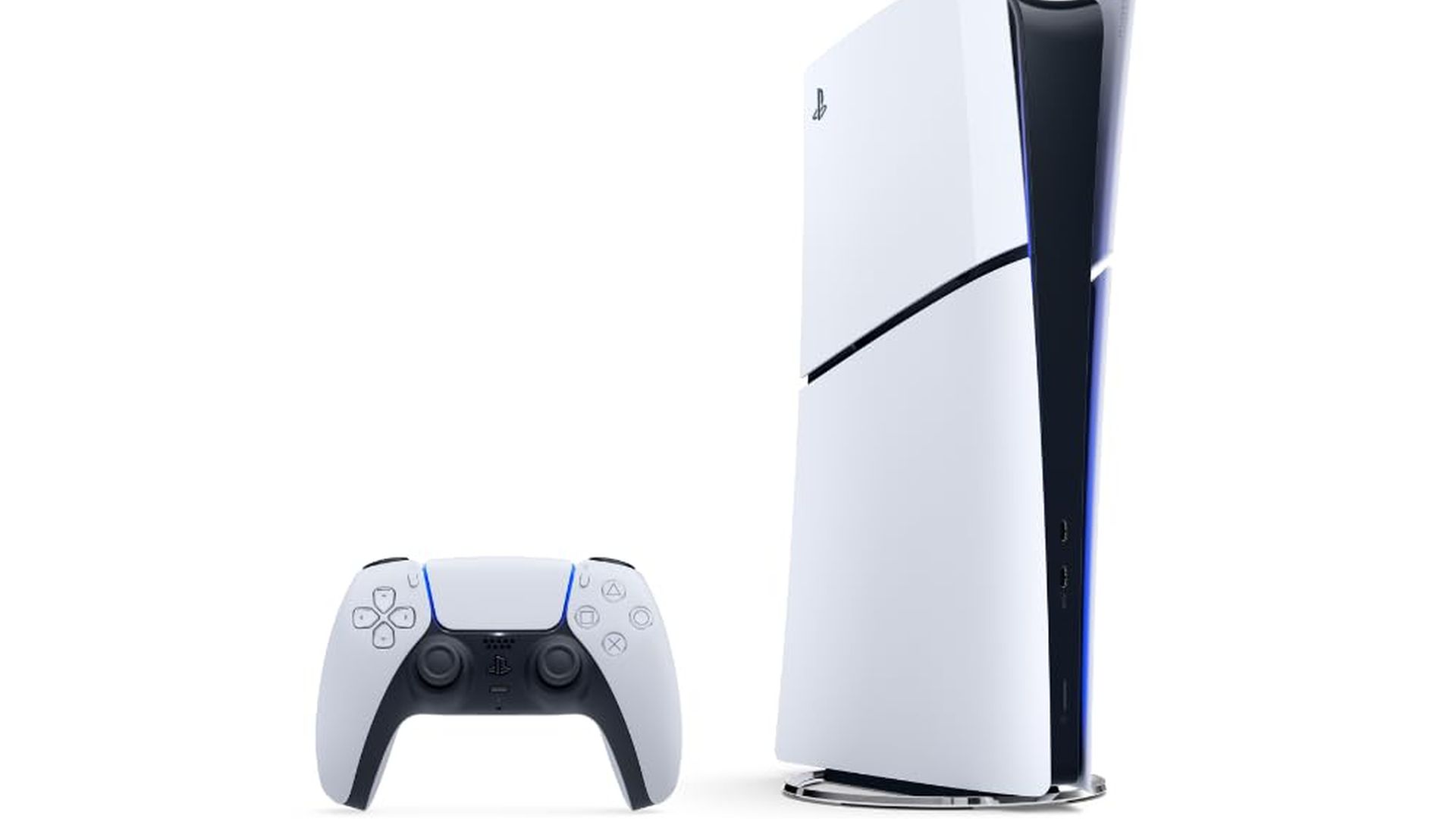
While the gaming community remains deeply divided over Sony’s aggressive pivot toward a digital-only ecosystem, a critical development regarding the console’s physical longevity has emerged. Amidst the heated debates surrounding the removal of disc drives, Sony has quietly solidified its supply chain, ensuring that the PlayStation 5 will remain in production for the foreseeable future.
According to the company’s latest manufacturing roadmaps, Sony has successfully secured sufficient RAM supplies to sustain PS5 assembly through the conclusion of the 2027 fiscal year. This logistical victory provides a much-needed sense of stability, particularly as the industry grapples with the volatility of component pricing and the ongoing backlash regarding the shift away from physical media.
Market Resilience and the Road Ahead
Despite the broader economic headwinds currently buffeting the tech sector, the PS5 continues to demonstrate remarkable market endurance. With lifetime shipments now exceeding 95 million units, the console is positioned to remain the centerpiece of Sony’s gaming strategy for several more years. This longevity is essential, as the platform prepares to host massive upcoming titles like the highly anticipated Marvel’s Wolverine and the industry-shifting launch of Grand Theft Auto 6 this November.
To put this in perspective, the current global semiconductor landscape remains unpredictable. By locking in these memory reserves now, Sony is effectively insulating its flagship hardware from the potential supply shocks that have historically plagued console generations. Much like a captain reinforcing a ship’s hull before a storm, Sony is ensuring that even if the global memory market faces further instability, the PS5 will remain available to meet consumer demand.
Ultimately, while the debate over digital-only gaming is far from settled, the assurance of hardware availability through 2027 provides a clear runway for the platform’s most ambitious software releases. Whether this strategy will appease critics of the digital-first model remains to be seen, but from a manufacturing standpoint, the path forward is clear.