





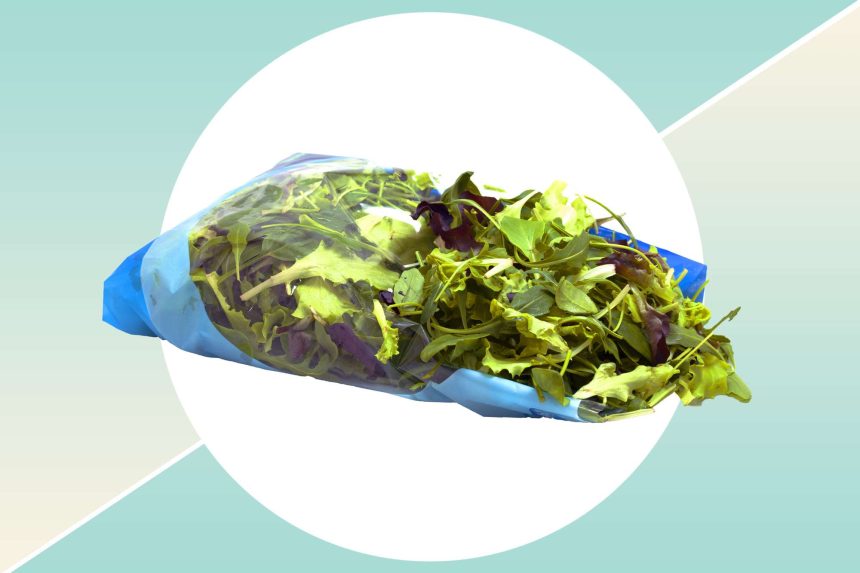
Master the Art of Crisp Greens: How to Extend the Life of Your Bagged Salad
We have all experienced the frustration of reaching into the refrigerator for a healthy lunch, only to discover that your bag of pre-washed greens has transformed into a soggy, unappetizing mess. While bagged salads are designed for convenience, their shelf life is notoriously short. By shifting how you store and handle these delicate leaves, you can significantly reduce food waste and keep your produce crisp for days longer than the expiration date suggests.
The Science of Moisture Control
The primary culprit behind premature spoilage is excess moisture. When greens are sealed in a plastic bag, condensation naturally forms, creating a humid environment where bacteria thrive. To combat this, your first step upon returning from the grocery store should be to introduce an absorbent barrier.
Open the bag immediately and tuck a dry paper towel inside. The towel acts as a sponge, wicking away the trapped moisture that would otherwise turn your spinach or arugula into “slime.” Once the towel is inserted, fold the top of the bag over or use a clip to keep it loosely sealed, allowing for a small amount of airflow.
Strategic Storage Placement
Where you place your greens in the refrigerator is just as important as how you package them. Many people make the mistake of storing salad in the door or on the top shelf, where temperature fluctuations are most frequent.
Instead, prioritize the crisper drawer. These drawers are specifically engineered to maintain a consistent humidity level, which is ideal for leafy vegetables. Furthermore, keep your greens away from ethylene-producing fruits like apples, pears, or bananas. These fruits release a natural gas that accelerates the ripening and decay process of nearby vegetables, causing your salad to wilt at an accelerated rate.
Smart Handling Habits
* Don’t Pre-Wash: Unless the label explicitly states the greens are not pre-washed, avoid rinsing them until you are ready to eat. Adding extra water to the leaves before storage is a recipe for rapid decay.
* The “Fluff” Technique: If you notice the bag is tightly packed, transfer the greens to a larger, airtight container lined with a fresh paper towel. Giving the leaves room to “breathe” prevents bruising and crushing, which are often the starting points for bacterial growth.
* Rotation Matters: Adopt a “first-in, first-out” system. Place newer bags toward the back of the drawer and bring older ones to the front to ensure you consume them before they lose their crunch.
Why Freshness Matters
According to recent food waste studies, leafy greens are among the most discarded items in the average household refrigerator. By implementing these simple storage adjustments, you aren’t just saving money; you are also ensuring that you have access to nutrient-dense meals throughout the week. Proper storage preserves the integrity of the vitamins and antioxidants found in your greens, ensuring you get the full health benefits of your salad.
Follow these smart tips and you’ll never face a bag of slime again. » More Info >>>