




The Truth About Banana Ripening: Why Your Go-To Method Might Be Failing
For years, home cooks have relied on a specific “quick-fix” trick to turn rock-hard, green bananas into soft, sweet fruit in a matter of minutes. Whether you saw it on social media or learned it from a family member, the common advice-often involving the microwave or a brown paper bag-has been treated as culinary gospel. However, recent food science analysis suggests that these popular hacks don’t actually accelerate the ripening process in the way we once believed.
Beyond the Myths: What Really Happens to Your Fruit?
Many people assume that applying heat or trapping ethylene gas in a bag triggers the same chemical transformation that occurs naturally on the kitchen counter. In reality, these methods often just soften the starch structure through heat rather than converting those starches into natural sugars.
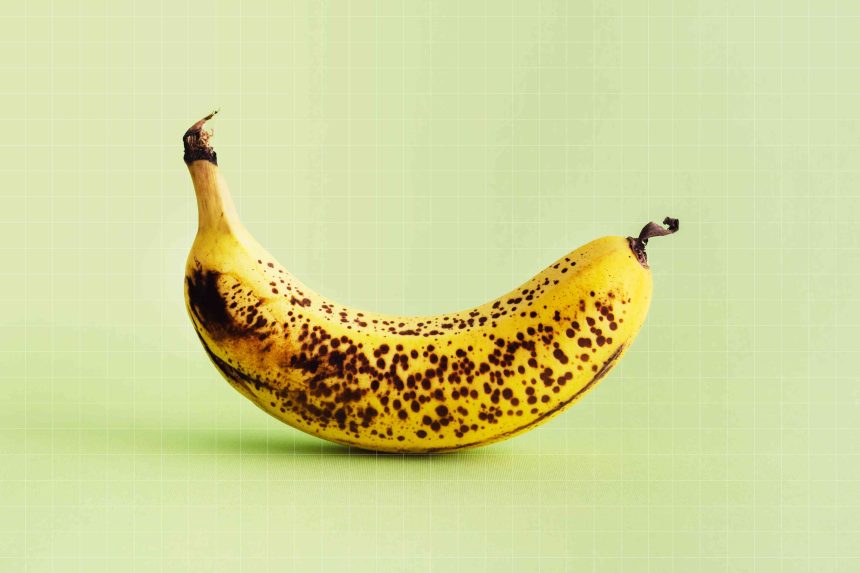
If you are looking for the authentic, honey-like sweetness required for a perfect loaf of banana bread, time remains the only true catalyst. While a microwave can make a banana mushy enough to mash, it lacks the enzymatic activity necessary to develop the complex flavor profile of a naturally ripened fruit.
Why Patience Still Wins in the Kitchen
Current culinary data indicates that the ripening process is a delicate biological dance. As a banana matures, the enzyme amylase breaks down complex starches into simple sugars like glucose, fructose, and sucrose.
* The Paper Bag Fallacy: While placing bananas in a paper bag does trap ethylene gas, it is only effective if the fruit has already begun the transition. If the banana is too green, the bag will simply cause it to dehydrate rather than ripen.
* The Heat Factor: Using an oven or microwave essentially “cooks” the fruit. This is a functional shortcut for baking, but it won’t yield the same results for snacking or smoothies.
Optimizing Your Fruit Storage
If you find yourself constantly needing ripe bananas on demand, the best strategy is proactive planning rather than reactive hacking. Keeping a rotating stock of bananas at different stages of maturity is the most reliable way to ensure you always have the right texture for your needs.
For those who frequently bake, consider freezing overripe bananas. Once thawed, they provide a superior texture and sweetness that far surpasses any “quick-ripening” hack currently circulating online. By understanding the science behind the peel, you can stop relying on debunked shortcuts and start getting better results in your recipes.
Everyone’s favorite banana-ripening hack just got debunked. » More Info >>>