



The Sunset of Google Assistant: What the Shift to Gemini Means for Your Devices
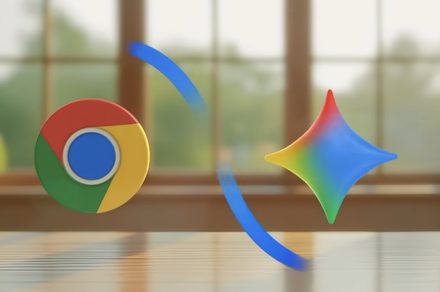
For years, Google Assistant has been the primary voice-activated interface for Android users. However, the rise of generative AI has fundamentally altered Google’s product roadmap. With the rapid integration of Gemini, the company has officially signaled that the era of the classic Assistant is drawing to a close.
A Definitive Timeline for Retirement
According to recent communications sent to users-and widely discussed across platforms like Reddit-Google is initiating a phased decommissioning of its legacy voice assistant. As reported by 9to5Google, the transition is scheduled to begin on September 4th.
This isn’t an overnight switch; Google anticipates that the rollout will span several weeks as it reaches the global user base. Once the update hits your specific device, the transition will be permanent. Users will lose the ability to toggle back to the legacy Assistant, effectively forcing a migration to the Gemini ecosystem.
Which Devices Are Affected?
The scope of this change is comprehensive. It is not limited to smartphones; the removal of Assistant access extends to:
* Android Tablets: Expect a shift in how you interact with your home or work tablets.
* Wearables: Paired smartwatches will lose native Assistant functionality.
* Audio Gear: Connected headphones that previously relied on Assistant for voice commands will be transitioned to the new AI framework.
Why the Pivot to Gemini?
The move reflects a broader industry trend where companies are prioritizing Large Language Models (LLMs) over traditional, command-based voice assistants. While Google Assistant was excellent at executing simple tasks-like setting timers or checking the weather-Gemini is designed to handle complex reasoning, creative writing, and nuanced conversational context.
Think of the difference like moving from a calculator to a research assistant: while the calculator (Assistant) was perfect for quick math, the research assistant (Gemini) can synthesize information, draft emails, and provide deeper insights into your daily queries.
Preparing for the Transition
If you reside in a region where Gemini is currently supported, your device will likely prompt you to switch over as the September deadline approaches. For those who rely heavily on specific Assistant routines, it is advisable to explore how those workflows translate into Gemini’s interface before the final cutoff date.
As we await further official confirmation regarding the specifics of this rollout, one thing is clear: the future of Android is generative, and the legacy of the classic voice assistant is officially entering its final chapter.