



The Evolution of Insulin Delivery: Modern Advancements in Pen Technology
Managing diabetes has been fundamentally transformed by the rapid evolution of insulin delivery systems. We consulted with experts, including Bzowyckyj, Isaacs, and Joshua D. Miller, MD, a clinical associate professor of medicine at Stony Brook Medicine in Hauppauge, New York, to explore how these innovations are reshaping patient care.
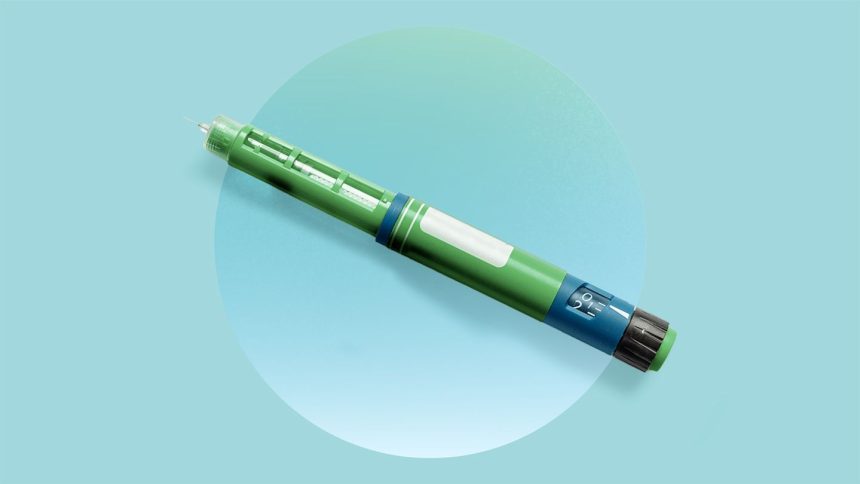
Today’s insulin pens offer more than just convenience; they provide precision and data-driven insights that were previously unavailable. Key advancements include:
* High-Concentration Formulations: The availability of disposable pens featuring 200 units/mL and 300 units/mL concentrations.
* Precision Dosing: Enhanced mechanisms that support half-unit increments for finer control.
* Smart Connectivity: Integrated memory functions that log injection times, reducing the risk of missed or double doses.
* Automated Calculation: Built-in dose calculators that assist patients in determining precise requirements based on current glucose levels.
* Digital Ecosystems: The ability to sync pen data directly with Continuous Glucose Monitor (CGM) systems for a holistic view of metabolic health.
The Shift Toward Concentrated Insulin
For many patients, particularly those managing significant insulin resistance or obesity, traditional U-100 insulin often required large-volume injections that were cumbersome and uncomfortable. Historically, the only alternative was U-500 insulin, which presented its own set of dosing complexities.
Dr. Miller highlights that the industry has made significant strides in this area. “We have witnessed remarkable progress in how we utilize pens to deliver concentrated insulin,” he notes. “Manufacturers have refined the packaging and delivery mechanisms, ensuring that patients can safely and accurately administer the higher concentrations necessary for their specific therapeutic needs.”
Why Precision Matters
The integration of smart technology into insulin pens is a game-changer for glycemic control. According to recent clinical data, nearly 30% of patients with diabetes report occasional confusion regarding whether they have already administered their mealtime insulin. By utilizing pens with memory logs and CGM integration, patients can bridge the gap between data and action.
For example, rather than relying on manual logs, a patient can now view their last injection time directly on a smartphone app, which also pulls real-time glucose trends from their CGM. This synergy minimizes the “guesswork” that often leads to hypoglycemia or hyperglycemia, providing a safer, more intuitive experience for those living with diabetes.