





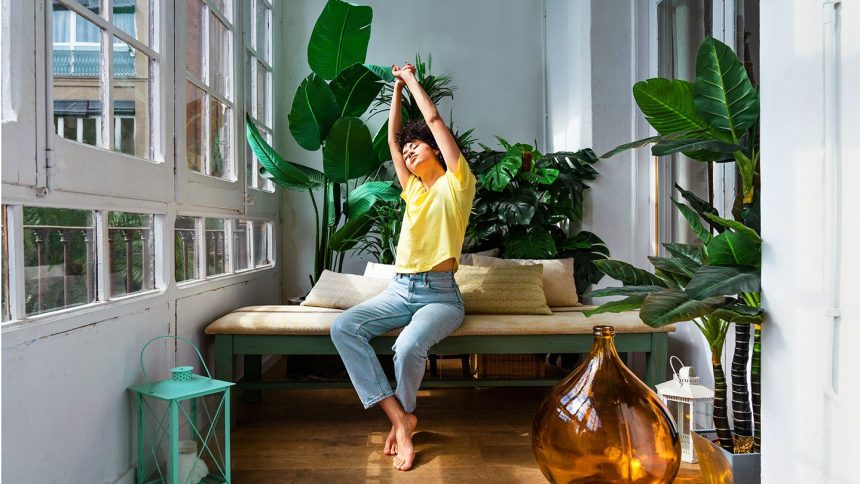
The Architecture of Calm: How Your Environment Shapes Your Mental Well-Being
Imagine beginning your day bathed in the gentle glow of natural light, accompanied by the rhythmic cadence of the ocean and the distant melody of songbirds. This isn’t just a luxury; it is a sensory experience that directly influences your psychological state. The reality is that your immediate surroundings-ranging from the ambient noise and lighting to the physical layout of your furniture-act as a silent architect of your mood.
By intentionally curating your living space, you can foster a sanctuary that promotes tranquility. This guide examines the profound connection between your environment and your mental health, providing evidence-based strategies to transform your home into a catalyst for emotional balance.
The Evolutionary Roots of Spatial Psychology
Why does a disorganized room often lead to a disorganized mind? Environmental psychologists suggest that our modern reactions to space are deeply embedded in our evolutionary history. Our ancestors relied on their surroundings to detect threats, meaning that our brains are hardwired to prefer environments that offer clarity and safety.
“Consider the sensory landscape of our prehistoric ancestors. A dense, cluttered savanna would have obscured potential predators, triggering a state of hyper-vigilance and anxiety,” explains Sally Augustin, PhD, a renowned environmental and design psychologist and principal at Design With Science. In essence, when our modern living spaces are overwhelmed by visual noise, our brains struggle to “switch off,” keeping us in a low-level state of stress.
Modern Data on Environmental Impact
The science of “biophilic design”-the practice of connecting people to nature within built environments-has gained significant traction. Recent studies indicate that individuals working or living in spaces with natural elements report a 15% increase in overall well-being and a 6% increase in productivity. Furthermore, research published in the Journal of Environmental Psychology highlights that even minor adjustments, such as optimizing natural light exposure, can reduce symptoms of seasonal affective disorder and improve sleep quality by regulating circadian rhythms.
Practical Strategies for a Mindful Home
You don’t need a complete renovation to reap these benefits. Consider these actionable “hacks” to align your space with your mental health goals:
- Prioritize Sightlines: Much like our ancestors, we feel most at ease when we have a clear view of our surroundings. Arrange your seating to face doorways or windows, which provides a sense of control and openness.
- Introduce Natural Elements: Incorporate indoor plants or natural textures like wood and stone. These elements act as “soft fascinators,” capturing our attention in a way that reduces mental fatigue.
- Curate Your Sensory Input: Beyond visuals, consider the “smellscape” and soundscape of your home. Using essential oils like lavender or maintaining a quiet, clutter-free zone can significantly lower cortisol levels.