




The Future of Game Development: AI Integration and Economic Hurdles
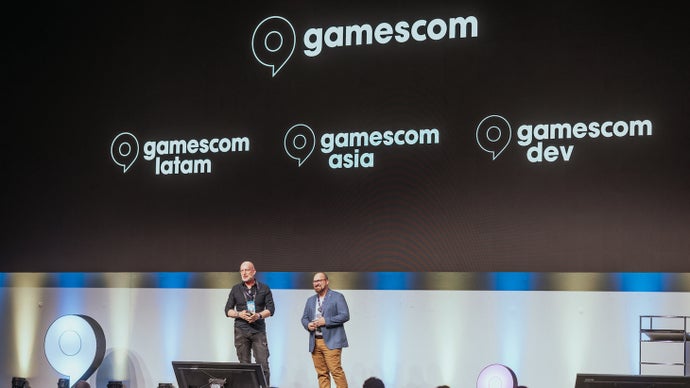
The landscape of game development is undergoing a seismic shift, with artificial intelligence emerging as the primary catalyst for change. According to the latest speaker survey from Gamescom Dev, the industry is bracing for a future where AI is not just a novelty, but a foundational element of production.
AI as the Industry’s North Star
The data highlights a clear consensus: AI-assisted development is the dominant trend to watch. Nearly 50% of the industry experts surveyed pinpointed AI integration as the most influential factor for the next three years. This significantly outpaces other emerging trends, such as the fluctuations in hardware and RAM costs (28%), the expansion of the creator economy (7%), and the rise of user-generated content (5%).
The sentiment toward AI is also maturing. While 30% of developers still advocate for a “human-first” approach with minimal AI interference-a slight decrease from 33% in the previous year-a growing segment of 34% is actively embracing AI to streamline coding and production workflows. This shift suggests that developers are moving past the initial skepticism and are now identifying specific, high-value use cases for machine learning tools.
Redefining the Workforce and Productivity
A staggering 83% of survey participants anticipate that AI will fundamentally alter how teams are structured and how they operate. When it comes to the sensitive topic of job security, the industry remains divided but optimistic about evolution rather than replacement:
- Role Evolution: 36% of respondents believe AI will transform existing job descriptions rather than lead to layoffs.
- Efficiency Gains: 14% expect that AI will simply empower individuals to produce more, effectively increasing output per developer.
- Structural Shifts: 33% foresee a move toward leaner, smaller team sizes.
- Stability: 17% do not anticipate any workforce reductions at all.
This mirrors broader tech industry trends, where AI is increasingly viewed as a “co-pilot” rather than a replacement for human creativity. For instance, just as automated testing tools once shifted the role of QA engineers toward more complex analytical tasks, AI is now pushing developers to focus on high-level architecture while delegating repetitive boilerplate coding to algorithms.
Navigating Economic Headwinds
Despite the excitement surrounding new technology, the industry is currently grappling with significant financial pressures. Over 50% of those surveyed cited economic instability as their primary concern. This is compounded by a crowded marketplace, with 38% of experts pointing to market saturation and 35% highlighting the ongoing struggle of discoverability.
As development costs continue to climb-a concern for 30% of respondents-the pressure to ensure games reach their intended audience has never been higher. To combat these discoverability issues, the industry is calling for a more transparent ecosystem:
- Algorithmic Transparency: 32% of developers want clearer insights into how platform algorithms prioritize content.
- Enhanced Storefronts: 22% are calling for more sophisticated recommendation engines.
- Editorial Curation: 21% believe that a return to human-led, curated editorial coverage is essential to help quality titles stand out.
As we look toward the next few years, the intersection of AI-driven efficiency and economic resilience will likely define which studios thrive and which struggle to maintain their footing in an increasingly competitive global market.