



The Controversy Behind Rideshare “Stimulator”: AI Allegations vs. Corporate Denial
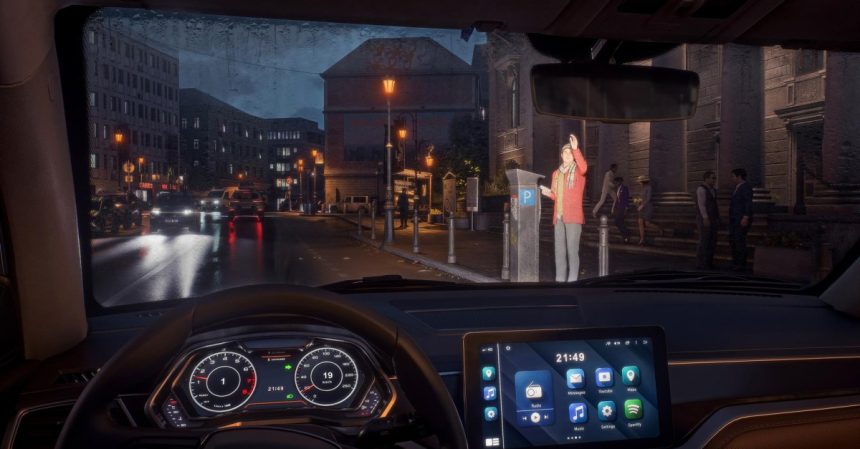
The intersection of generative AI and creative labor in the gaming industry has reached a boiling point following a public dispute regarding the development of Rideshare “Stimulator.” While the title is marketed as an immersive experience where players manage their own transportation business, the project is now mired in accusations concerning the displacement of human talent.
Conflicting Narratives: The Writer’s Claim vs. Executive Rebuttal
The tension began when Stella Sacco, who served as the lead writer for the project, took to Bluesky to voice her grievances. Sacco alleged that her role was terminated mid-development, with her contributions subsequently supplanted by ChatGPT. Furthermore, she asserted that the dialogue for the game’s passengers was entirely synthesized using artificial intelligence, noting a lack of transparency regarding these production methods on the game’s storefront.
In response to these claims, Matthew Karch, CEO of Saber Interactive, has issued a firm denial. Karch maintains that neither Saber nor the developer, Unigine, utilized AI to replace human writers during the creation of Rideshare “Stimulator.” This standoff highlights a growing trend in the industry where developers and publishers are increasingly scrutinized over their reliance on automated tools.
Transparency and the Evolving Gaming Landscape
Rideshare “Stimulator,” which is currently available for viewing on its Steam listing, invites players to navigate the complexities of the gig economy. However, eagle-eyed observers who analyzed the teaser trailer have pointed to audio and narrative cues that suggest the presence of generative AI, fueling skepticism among the gaming community.
The lack of clear disclosure on the Steam page is particularly notable given the current climate of the gaming sector. According to recent industry reports, over 60% of game studios are experimenting with generative AI for asset creation, yet consumer demand for transparency remains high. Much like the recent debates surrounding AI-generated art in indie titles, the Rideshare “Stimulator” situation underscores the friction between cost-cutting automation and the preservation of human-led creative direction.
As the industry grapples with these ethical dilemmas, the case serves as a reminder that players are increasingly sensitive to how their favorite titles are crafted. Whether or not the game’s narrative was truly outsourced to algorithms, the incident has sparked a necessary conversation about the future of writing in interactive media.