




The Secret Ingredient for Perfect, Crispy Fruit Pies
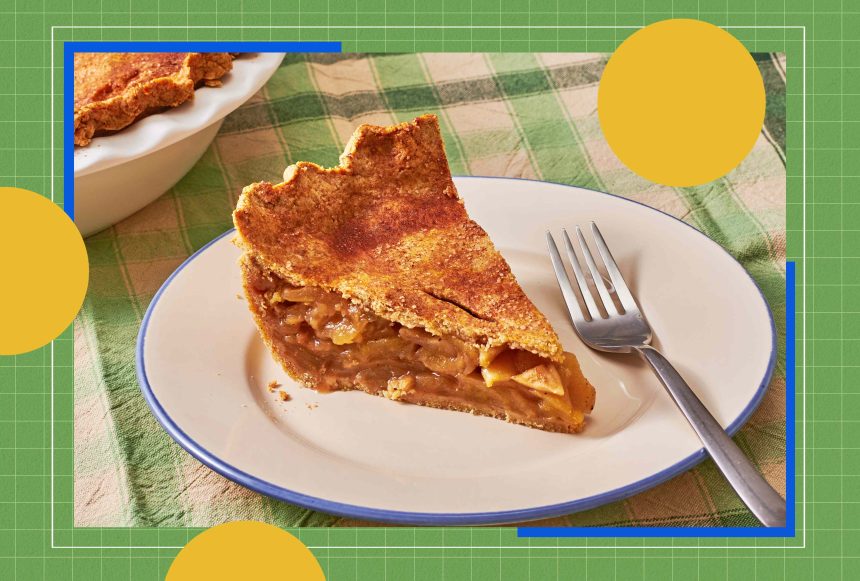
If you have ever pulled a fruit pie from the oven only to find a disappointing, mushy bottom crust, you aren’t alone. This common baking frustration-often called a “soggy bottom”-is the result of fruit juices releasing during the baking process and soaking into the dough before it has a chance to set. Fortunately, there is a simple, effective solution that is likely already sitting in your kitchen pantry.
Why Your Crust Loses Its Crunch
The science behind a soggy crust is straightforward: fruit is packed with water. As the pie heats up, the fruit breaks down and releases liquid. If this liquid isn’t managed, it pools at the bottom of the pan, preventing the pastry from crisping up. While many bakers try to combat this by increasing oven temperatures or using specialized pie weights, the most reliable method involves a simple pantry staple: cornstarch or flour.
The Pantry Hack: A Moisture Barrier
To prevent that dreaded sogginess, you can create a protective barrier between your fruit filling and the bottom crust. By tossing your fruit with a small amount of cornstarch or flour before adding it to the pie shell, you effectively thicken the juices as they release.
Think of it like adding a sponge to a spill; the starch absorbs the excess moisture, turning thin, runny juices into a thick, syrupy glaze that stays within the filling rather than seeping into the pastry.
Pro-Tips for a Flawless Finish
Beyond using a thickening agent, consider these additional strategies to ensure your crust remains golden and crisp:
* Pre-bake the Bottom: For particularly juicy fruits like strawberries or peaches, “blind baking” the bottom crust for 5-10 minutes before adding the filling can provide a head start on crispness.
* The Egg Wash Technique: Brushing the bottom crust with a thin layer of egg white creates a moisture-resistant seal that prevents the dough from absorbing liquid.
* High-Heat Start: Begin baking your pie at a higher temperature (around 425°F) for the first 15 minutes to set the crust quickly, then lower the heat to finish cooking the fruit.
Why This Matters
According to recent culinary data, moisture control is the number one factor in professional-grade pastry success. By mastering the balance of thickeners and heat management, you can elevate your home baking to match the quality of a professional bakery. Whether you are working with tart apples or sweet summer berries, these small adjustments ensure that every bite offers that satisfying, flaky crunch you crave.