



The Enduring Resistance of Black Rave Culture
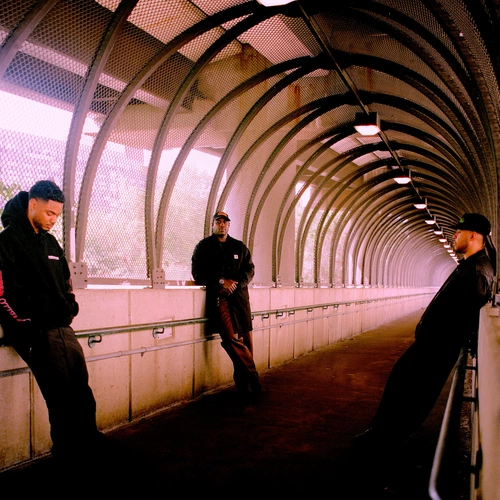
When the Washington, D.C.-based collective Black Rave Culture-comprising producers Amal, James Bangura, and Nativesun-first surfaced in 2020, their arrival served as a sonic manifesto. Emerging during a summer defined by global social upheaval and a long-overdue reckoning with systemic inequality, the trio positioned themselves at the vanguard of a movement. Their mission was clear: to strip away the layers of gentrification that had sanitized dance music and to reclaim the genre’s roots by weaving together the diverse, rhythmic threads of the Black diaspora. Even their moniker, Black Rave Culture, functioned as a defiant statement of intent.
A Vision That Persists Amidst Political Shifts
While the transformative societal shift many anticipated in 2020 failed to materialize-and in many regions, we have witnessed a resurgence of regressive political ideologies-the collective’s revolutionary spirit remains unyielding. Recent data from the music industry suggests that while mainstream electronic music continues to struggle with inclusivity, independent collectives are finding new ways to bypass traditional gatekeepers. Rather than fading into the background, Black Rave Culture has doubled down on their original premise. Their latest release, Black Rave Culture Vol. 4, serves as a powerful reminder that the sonic heritage of the diaspora is not just a historical artifact, but a living, breathing force of resistance.
A Kaleidoscope of Diasporic Sound
The new record functions as a comprehensive survey of the breadth and depth of Black electronic music. The trio masterfully navigates various sub-genres, proving that their creative well is far from dry. Listeners are treated to the sun-drenched, infectious house rhythms of “Smoke Em Out,” which captures the essence of a block party in full swing. This is contrasted by the intricate, dub-infused syncopation found in “Herengracht,” a track that demands focused listening. Furthermore, the project pays homage to the gritty, high-energy aesthetic of the East Coast with the sharp, compressed breakbeats of “Urban Classix.” By refusing to be pigeonholed into a single style, the group reinforces the idea that Black dance music is a vast, multifaceted ecosystem that defies simple categorization.