




Mastering Produce Preservation: Simple Hacks to Reduce Food Waste
A significant portion of the groceries we discard isn’t due to poor quality at the point of sale, but rather improper storage techniques once we get home. By tweaking how you organize your kitchen and refrigerator, you can drastically extend the shelf life of your produce, saving both money and resources.
The Science Behind Spoilage
It is a common misconception that fruits and vegetables simply “expire” on their own. In reality, decay is a biological process. Every piece of fresh food carries its own natural microflora-a complex ecosystem of microscopic organisms, including yeast, bacteria, and various molds.
According to Amanda Deering, an associate professor specializing in food safety at Purdue University, these microorganisms are naturally present on the surface of plants. When environmental conditions-specifically moisture levels and ambient temperatures-become favorable, these organisms proliferate, leading to rapid spoilage. Think of it like a garden: if you provide the right environment, the “weeds” (spoilage microbes) will quickly overtake the crop.
Strategic Storage: Why Dryness is Key
One of the most common mistakes consumers make is washing their groceries immediately after returning from the store. While the intention is cleanliness, introducing water creates a breeding ground for the very microbes that cause berries and greens to rot prematurely.
To keep your food fresh for days longer, consider these professional storage tips:
- Delay the Rinse: Only wash your produce immediately before you intend to consume it. Excess moisture is the primary catalyst for mold growth.
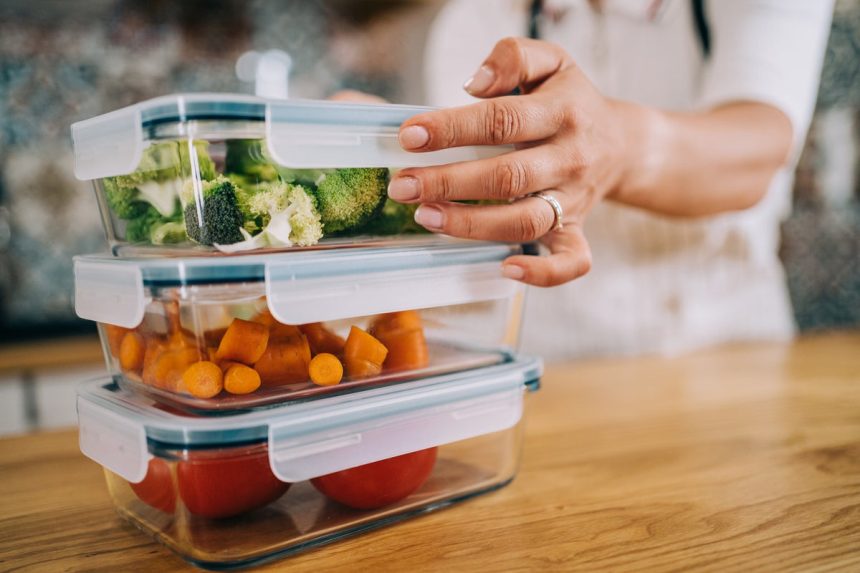
- Control Humidity: If you must store leafy greens or delicate fruits, place a dry paper towel inside the container. This acts as a wick, absorbing excess condensation that would otherwise accelerate decay.
- Optimize Fridge Real Estate: How you arrange your refrigerator matters. Avoid overcrowding, as proper airflow is essential to maintaining consistent temperatures that keep microbial activity at bay.
The Impact of Food Waste
The urgency of these habits is underscored by global statistics. According to the UN Environment Programme’s Food Waste Index, households are responsible for the majority of global food waste, with a significant percentage being fresh produce that could have been saved with better management. By keeping your refrigerator organized and your produce dry, you are not just extending the life of your groceries-you are participating in a vital effort to reduce the environmental footprint of your household.