




Universal Pictures
Note: This article contains discussion of addiction.
The Legacy of the “Domestic Noir” Boom
The mid-2010s marked a distinct shift in psychological thrillers, largely catalyzed by the massive success of “Gone Girl.” While Gillian Flynn’s novel and David Fincher’s cinematic interpretation set a high bar for the genre, they also triggered a wave of imitators. Among these is “The Girl on the Train,” a 2016 production that serves as a peculiar artifact of that era’s obsession with unreliable narrators and suburban malaise.
Revisiting Rachel Watson’s Descent
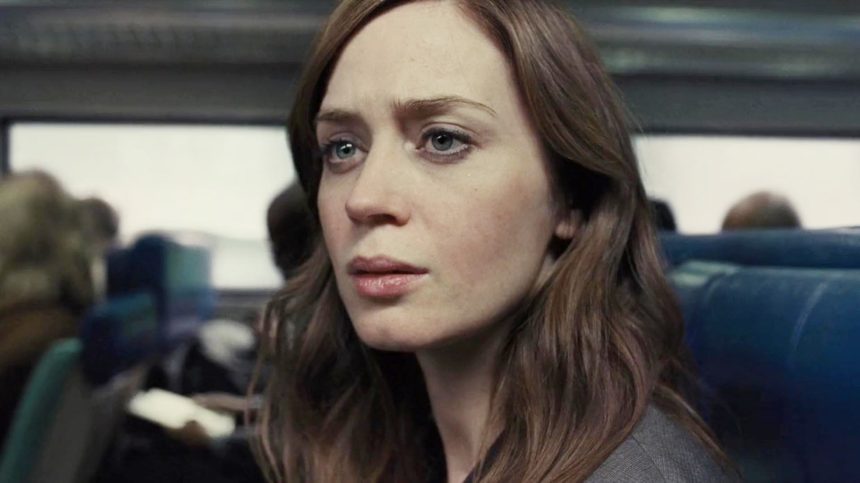
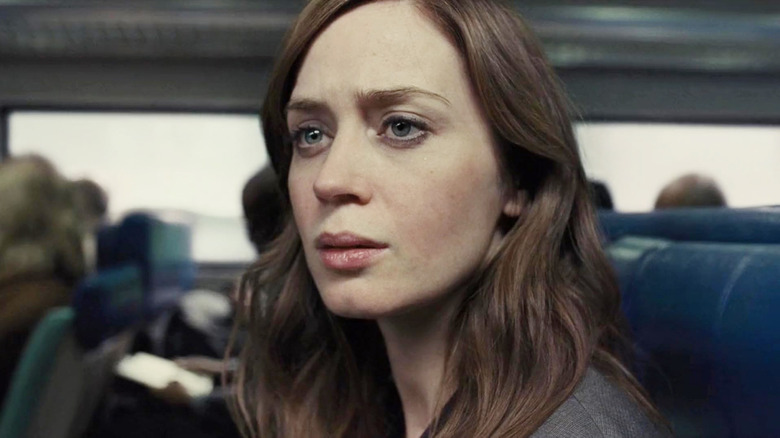
Directed by Tate Taylor-known for his work on the polarizing adaptation of “The Help”-and penned by Erin Cressida Wilson, the film centers on Rachel Watson. Played by Emily Blunt, Rachel is a protagonist defined by her struggle with alcoholism and a voyeuristic fixation on a couple she observes daily during her commute. The film attempts to capture the same lightning in a bottle as its predecessors, yet it often feels like a disjointed fever dream rather than a cohesive mystery.
A Snapshot of 2016 Cinema
Looking back at “The Girl on the Train” today, it functions less as a gripping thriller and more as a time capsule of a specific trend in Hollywood. During this period, studios were desperate to replicate the “Gone Girl” formula, often prioritizing dark, twist-heavy narratives over character depth. According to industry data from the time, the “domestic noir” subgenre saw a 40% increase in book-to-film adaptations between 2014 and 2017, as audiences clamored for stories about fractured marriages and hidden secrets. While the film struggled to achieve the critical acclaim of its inspirations, its current presence on streaming platforms like Netflix invites a new generation to analyze why this specific brand of “prestige trash” resonated so strongly with audiences nearly a decade ago.