


Revisiting the Digital Uncanny: Why Jane Schoenbrun’s Debut Still Haunts
With Jane Schoenbrun’s newest cinematic project, Teenage Sex and Death at Camp Miasma, currently drawing significant attention in cinemas, it is the ideal moment to look back at the director’s breakout feature, We’re All Going to the World’s Fair. Since its debut at the 2021 Sundance Film Festival, the film has cemented its status as a seminal piece of modern digital horror.
The Digital Ritual: An Immersive Descent
The narrative centers on Casey, a teenager who decides to participate in the “World’s Fair Challenge.” This online phenomenon functions as a hybrid of viral internet dares-reminiscent of the 2014 Ice Bucket Challenge-and the unsettling lore of creepypasta forums.
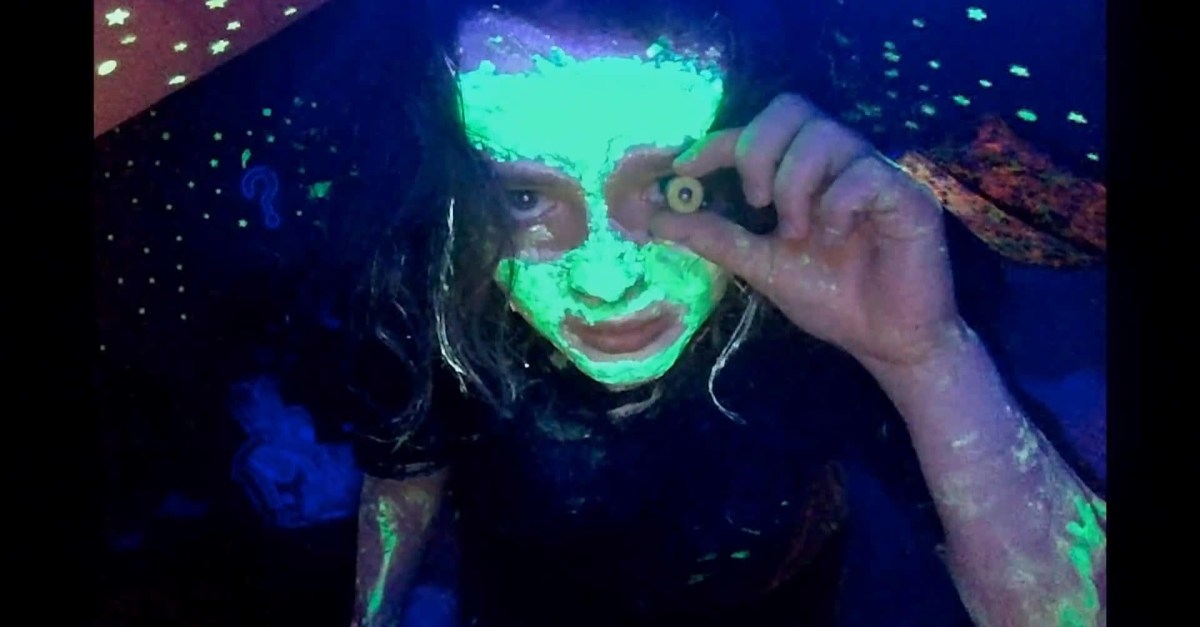
The ritual is deceptively simple yet deeply disturbing: the participant recites a mantra, draws blood, and watches a cryptic video. While these elements are staples of the horror genre, Schoenbrun subverts them by stripping away the cinematic artifice. Watching Casey sit in the isolation of her bedroom, her gaze locked onto a webcam as she performs these acts, creates a visceral sense of discomfort. The scene involving the repeated use of a pin to draw blood is particularly jarring, effectively capturing the raw, unpolished anxiety of the digital age.
The Metamorphosis of the Online Self
At its core, the film explores the psychological toll of internet subcultures. The “game” promises a transformative experience, though the nature of this change remains intentionally vague. Participants are encouraged to document their “symptoms” as they undergo bizarre physical and mental shifts-ranging from the sensation of turning into synthetic plastic to the surreal feeling of their internal organs rearranging into Tetris-like blocks.
This narrative choice mirrors the real-world phenomenon of “digital dysmorphia,” where the boundary between one’s physical reality and their curated online persona begins to blur. Much like the viral “Blue Whale” challenge that sparked global concern in the late 2010s, the film highlights how easily impressionable minds can be consumed by anonymous, high-stakes internet trends. By grounding the horror in the mundane glow of a computer screen, Schoenbrun forces the audience to confront the isolation inherent in our hyper-connected world.