





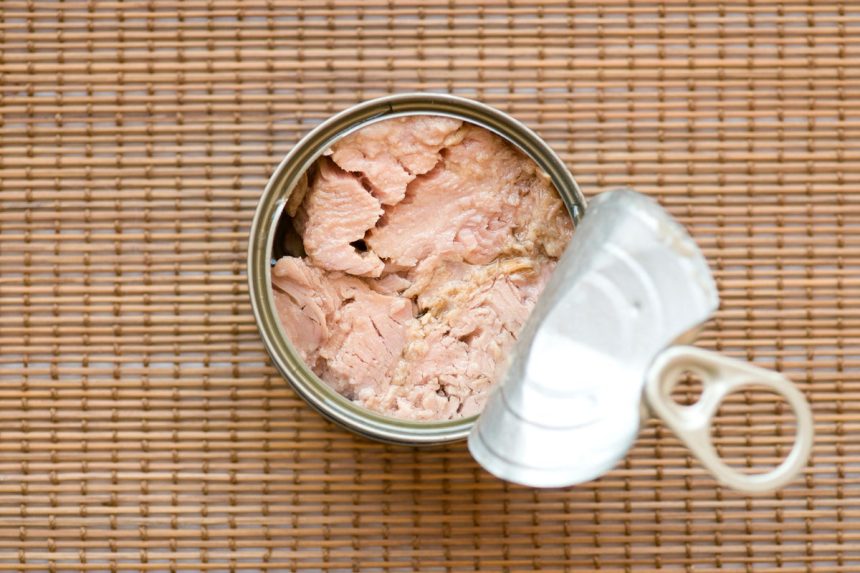
Is Your Daily Tuna Habit Safe? Understanding Mercury Risks
For many, tinned tuna serves as the ultimate pantry hero. It is budget-friendly, packed with lean protein, and requires zero preparation, positioning it as a go-to solution for hectic schedules. However, frequent consumption often triggers a common question: can you overdo it? Whether you are packing a tuna salad for your own lunch or preparing daily sandwiches for your children, it is natural to question if this repetitive diet poses any health risks.
The Mercury Factor: Separating Fact from Fiction
The primary health concern surrounding regular fish consumption is mercury exposure. While mercury is a naturally occurring element, it can be toxic in elevated concentrations, posing specific risks to developing fetuses and young children. It is important to note, however, that mercury levels are not uniform across all marine life. The confusion often stems from failing to distinguish between different species of fish and their respective positions in the oceanic food chain.
For the vast majority of the Australian population, the current scientific consensus regarding canned tuna is quite positive. To understand why, we must look at how mercury enters our food supply.
How Mercury Enters the Marine Ecosystem
Mercury is an element found throughout the Earth’s crust. It finds its way into our waterways through a combination of geological events-such as volcanic eruptions and the natural erosion of rocks-and human-driven industrial processes. Once this mercury settles into aquatic environments, it undergoes a transformation.
Microorganisms in the water convert inorganic mercury into methylmercury, a highly absorbable form that accumulates in the tissues of fish. Larger, predatory fish that live longer-such as shark, swordfish, or bigeye tuna-tend to accumulate higher levels of mercury because they consume smaller fish that already contain the element. This process, known as biomagnification, explains why smaller, shorter-lived species used for canning generally contain significantly lower mercury levels than their larger counterparts.
Navigating Safe Consumption
While the health benefits of omega-3 fatty acids and high-quality protein in fish are well-documented, moderation remains the golden rule. According to recent health guidelines, most adults can safely consume two to three servings of low-mercury fish per week without concern. For those who enjoy tuna daily, opting for smaller skipjack varieties-often labeled as “chunk light”-is a smarter choice than consuming larger albacore or yellowfin tuna, which may carry a higher mercury load.
By diversifying your protein sources and being mindful of the specific type of tuna in your pantry, you can continue to enjoy this convenient staple as part of a balanced, heart-healthy diet.