

The Uncanny Valley of Dining: Why AI-Generated Menus Feel So Wrong
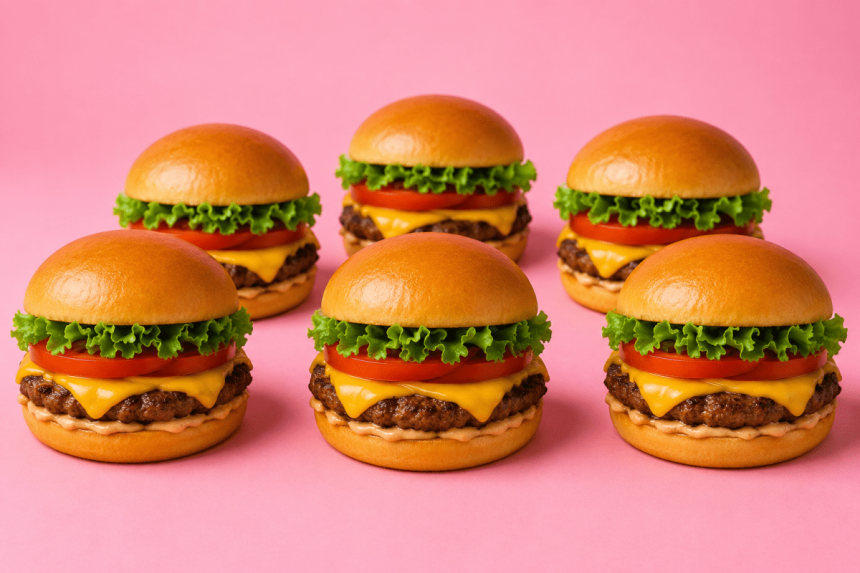
Have you ever walked into a local bistro, glanced at the menu, and felt a sudden, inexplicable wave of unease? You’re staring at a picture of a breakfast sandwich, but something is fundamentally off. The textures are too uniform, the lighting is suspiciously perfect, and the symmetry is almost mathematical. You aren’t imagining things; you are experiencing the “uncanny valley” of the culinary world.
As generative AI becomes a cost-cutting tool for small businesses, restaurant menus are increasingly being populated by synthetic imagery. While these tools promise efficiency, they often deliver visuals that trigger a subconscious alarm bell in the human brain.
The Aesthetic of Artificiality
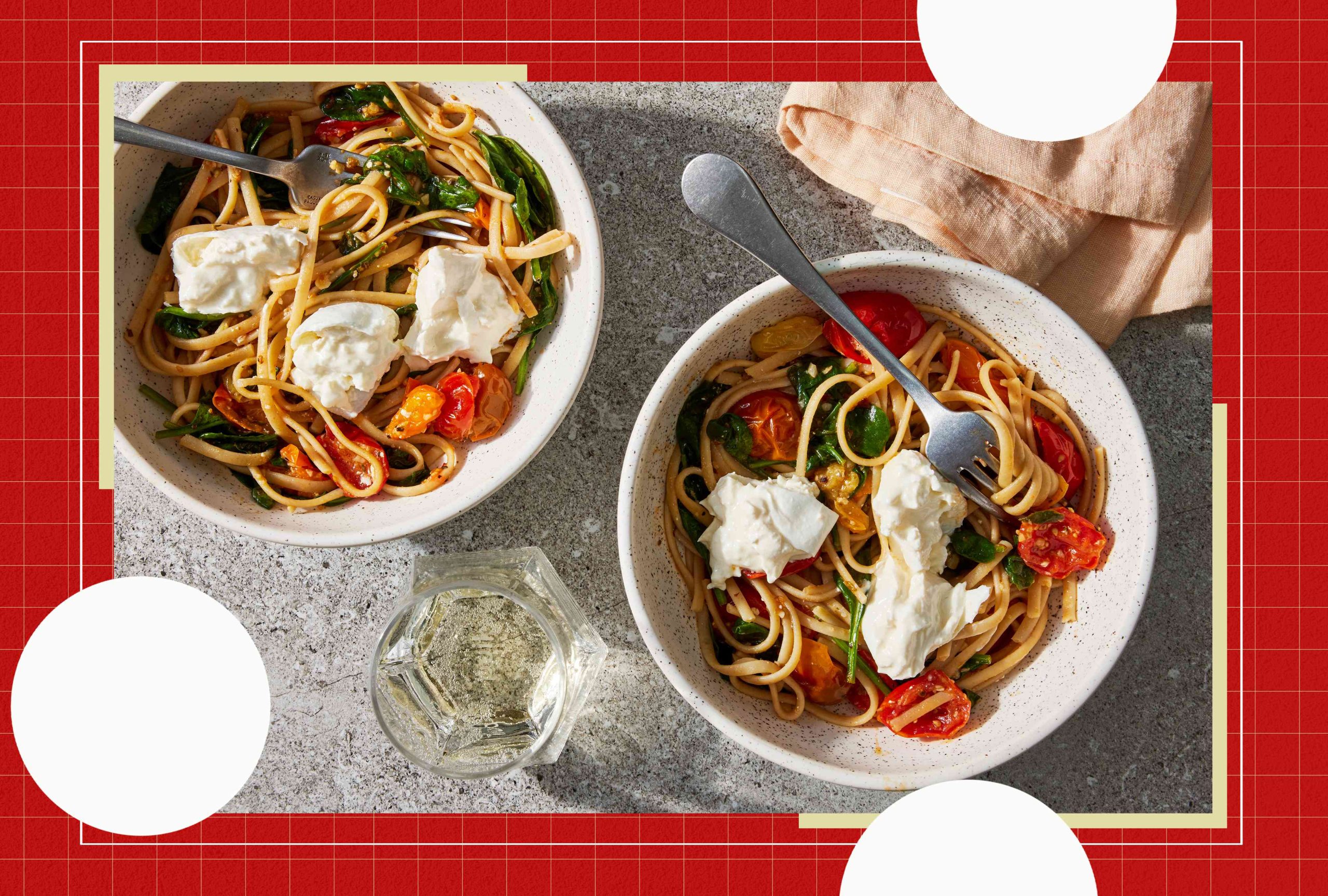
The primary issue with AI-generated food photography is its reliance on a narrow, idealized dataset. These models are trained to prioritize a “pleasing” aesthetic, which often results in images that lack the chaotic, organic reality of actual food.
Consider a standard AI-generated image of a taco. You might see a shell that is perfectly curved with ingredients layered in a way that defies gravity. It looks less like a meal you’d find on a plate and more like a digital sculpture. According to recent industry reports, nearly 30% of small businesses are experimenting with AI-generated marketing assets to save on professional photography costs, yet many fail to realize that these “perfect” images can actually deter customers who crave authenticity.
Why Our Brains Reject Synthetic Food
The discomfort we feel isn’t just a matter of taste; it’s a cognitive response to visual inconsistency. Alex Lisle, CTO of Reality Defender-a firm specializing in AI-detection and content verification-aptly describes these images as “an alien trying to make a pizza without understanding its core principles.”
Because AI models lack a physical understanding of how ingredients interact, they often produce “hallucinations.” You might spot:
* Impossible Textures: Cheese that melts into a pattern that doesn’t exist in nature.
* Geometric Perfection: Ice cream scoops that are mathematically spherical, lacking the natural drag of a metal scoop.
* Structural Anomalies: Ingredients that appear to be fused together in ways that are physically impossible.
The Rise of Content Verification
The proliferation of these synthetic images has birthed an entire industry dedicated to digital forensics. Startups like Reality Defender are now essential, helping platforms and consumers distinguish between genuine culinary photography and AI-generated fabrications. As we move further into an era where digital content is increasingly automated, the ability to verify the authenticity of what we see-especially when it comes to the food we eat-is becoming a critical consumer skill.
Ultimately, while AI can mimic the appearance of a delicious meal, it cannot replicate the soul of a dish. When a menu looks too good to be true, it usually is.