
## Tesla’s Autonomous Ambitions: Inside the Exclusive Cybercab Unveiling
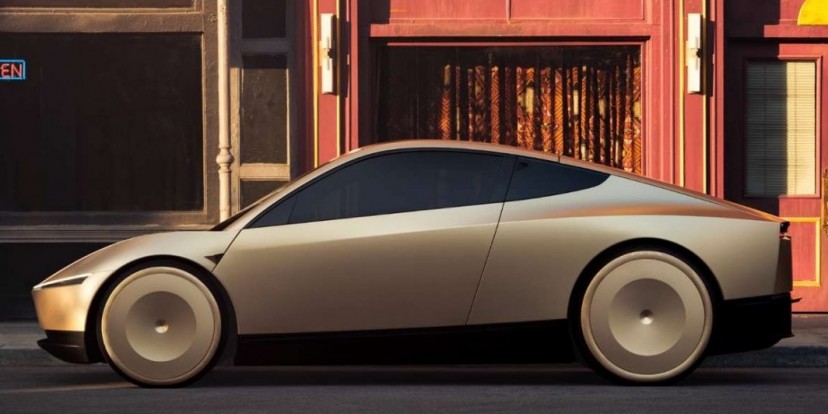
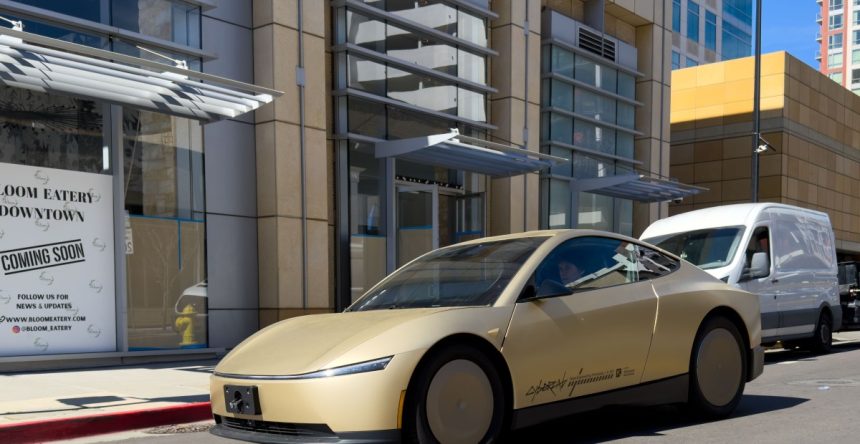
Tesla has officially pulled back the curtain on its vision for the future of transportation, hosting an intimate, invitation-only gathering in Austin, Texas. This reveal marks a pivotal moment for Elon Musk, who has staked the long-term viability of his enterprise on the successful integration of artificial intelligence, humanoid robotics, and fully autonomous driving technology. For years, Musk has championed the promise of a driverless future, and this event serves as the tangible manifestation of those long-standing predictions.
### A Controlled Environment for a High-Stakes Debut
Unlike the massive, high-energy product launches of the past, this unveiling was notably understated. The company opted against a public livestream, leaving enthusiasts and analysts to monitor the webpage that tracks the active fleet of Tesla robotaxis currently operating in Texas.
The guest list was carefully curated, consisting primarily of pro-Tesla influencers. This strategy appears designed to minimize immediate public scrutiny and ensure a favorable narrative surrounding the new hardware. Attendees, such as Chuck Cook, were required to sign non-disclosure agreements and adhere to strict embargoes, preventing any real-time coverage. This exclusionary approach did not go unnoticed; even within the Tesla-supportive community, some outlets, such as Not a Tesla App, expressed frustration, suggesting that the company’s secretive handling of the event missed a significant opportunity to engage its broader base.
### Scaling the Robotaxi Fleet
The transition from concept to reality is already underway in terms of regulatory compliance. According to current data, Tesla has successfully registered 45 Cybercab units with the Texas Department of Motor Vehicles. While this figure represents a solid foundation for testing and initial deployment, the timeline for when these vehicles will transition into full-scale commercial service remains a subject of speculation.
### The Strategic Pivot to AI
This launch is more than just a new vehicle; it is a fundamental shift in Tesla’s business model. By moving away from a reliance solely on consumer vehicle sales and toward a service-based model powered by autonomous software, Musk is attempting to pivot the company into an AI-first entity. This transition is critical, especially considering the company has bet the future of his company on the success of these autonomous platforms. As the industry watches closely, the success of the Cybercab will likely determine whether Tesla can maintain its dominance in an increasingly competitive landscape of self-driving technology.