





The Autonomous Shift: Reflecting on the Cybercab’s Debut
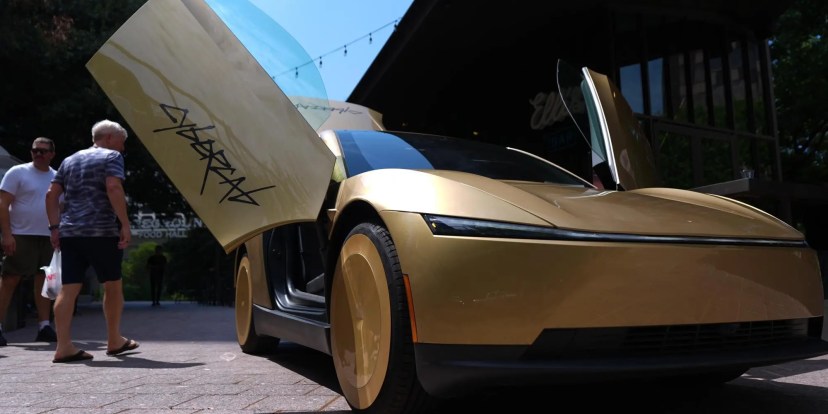
The global automotive community recently turned its collective gaze toward Austin, Texas, where a striking, gold-hued vehicle made its public debut. As the Cybercab rolled onto the sun-drenched pavement with its signature butterfly doors reaching toward the sky, it signaled more than just a new product launch; it marked a profound, perhaps unsettling, milestone for driving purists. This machine represents a definitive departure from the traditional cockpit, stripping away the steering wheel, pedals, and even the humble turn-signal stalk. In their place sits a sparse, futuristic cabin dominated by a high-definition display powered by Epic Games’ Unreal Engine, turning the act of travel into a digital experience.
A New Era for Mobility
For those of us who grew up mastering the mechanical symphony of heel-and-toe downshifts and the tactile feedback of tires biting into a corner, the Cybercab feels like a radical departure from the automotive heritage we hold dear. It is the physical manifestation of an evolutionary divide. While the industry has long flirted with driver-assistance features, this vehicle represents a total surrender of control to software.
The shift toward full autonomy is gaining significant momentum. According to recent industry data, the global autonomous vehicle market is projected to reach a valuation of over $2 trillion by 2030, driven by the promise of increased safety and reduced traffic congestion. Much like the transition from horse-drawn carriages to the internal combustion engine, we are witnessing a fundamental change in how society perceives personal transport-moving from a skill-based activity to a passive utility.
Redefining the Driving Experience
The interior of the Cybercab is less of a “driver’s seat” and more of a mobile lounge. By removing the mechanical interfaces that once defined the relationship between human and machine, the focus shifts entirely to the passenger experience. This is akin to the transition from piloting a private aircraft to sitting in the cabin of a high-speed train; the responsibility of navigation is offloaded to an invisible, algorithmic pilot.
While enthusiasts may mourn the loss of the “analog” connection to the road, the technology powering these vehicles is advancing at an unprecedented rate. With the integration of sophisticated gaming engines for real-time rendering and advanced sensor suites, the Cybercab is designed to navigate complex urban environments with a level of precision that far exceeds human reaction times. Whether this evolution is a triumph of engineering or a loss of automotive soul remains a subject of intense debate, but one thing is certain: the golden wedge has arrived, and the road ahead looks very different.