



The Turbulent Development and Reception of Marvel’s Wolverine
The journey of Insomniac Games’ Marvel’s Wolverine from concept to console has been anything but smooth. Since its initial reveal in 2021, the project has navigated a series of high-profile hurdles that have shaped public perception long before the game reached players’ hands.
Perhaps the most significant setback occurred in 2023, when the studio suffered a massive security breach. Hackers exfiltrated 1.67 terabytes of sensitive internal data, exposing everything from early-stage level designs and narrative beats to raw gameplay clips. This leak stripped away the mystery typically surrounding a major AAA release, forcing the developers to contend with public scrutiny of an unfinished product.
A Challenging Climate for PlayStation
The game arrives at a precarious moment for Sony. The brand has faced mounting criticism from its core audience, fueled by strategic shifts such as the 2018 pivot away from physical media and the high-profile dissolution of the partnership with Hideo Kojima regarding the Physint project. Against this backdrop, Marvel’s Wolverine has struggled to serve as a unifying win for the platform.
Currently, the title sits at a 78 on Metacritic. While not a failure, the score reflects a polarized response. Many critics have pointed to a lack of innovation, noting that the gameplay loop feels tethered to the design philosophy of Insomniac’s Spider-Man series, leading to accusations of repetitive combat and stagnant mechanics that feel somewhat behind the curve for a modern flagship title.
Analyzing the Combat Loop
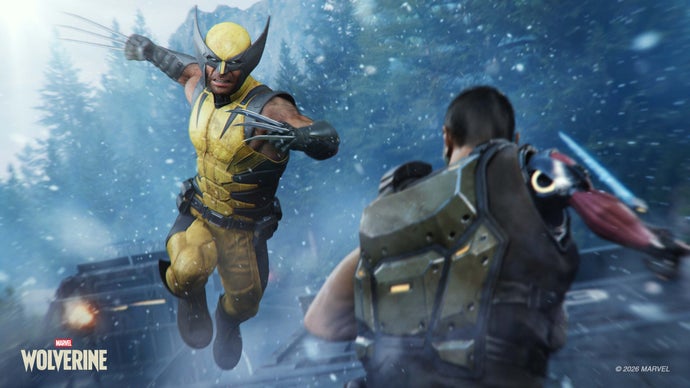
The core experience of playing as Logan has drawn comparisons to a classic, straightforward brawler. In his review for The Guardian, Keith Stuart awarded the game a 3/5, characterizing the protagonist as an “unreconstructed brawler.”
The standout feature remains the rage-meter, a mechanic that allows players to escalate their offensive and defensive capabilities. As Stuart observed, reaching the final tier of this meter transforms the character into a relentless force of destruction, providing a sense of catharsis that is undeniably satisfying. Yet, this empowerment comes with a caveat: the combat rarely demands tactical depth. While the animations are fluid and the impact is visceral, the lack of a requirement for player experimentation means that the thrill of the fight can wear thin over extended sessions.