




The Evolution of “Broken Arrow”: From Literature to Television
The 1956 television adaptation of “Broken Arrow” traces its creative lineage back to Elliott Arnold’s 1947 novel, *Blood Brothers*. This literary work offered a dramatized account of the historical bond between Tom Jeffords, a government agent, and the legendary Apache chief Cochise during the 1870s. Their unlikely alliance was instrumental in de-escalating regional conflicts, ultimately fostering a period of peace through mutual respect and diplomacy.
Before it graced the small screen, the narrative was immortalized in the 1950 motion picture *Broken Arrow*. Directed by Delmer Daves, the film featured Jimmy Stewart as Jeffords and Jeff Chandler as Cochise. While the film was lauded for its progressive attempt to portray Indigenous figures with nuance and empathy-a departure from the stereotypical “villain” tropes prevalent in mid-century cinema-it was also a product of its era’s systemic biases. Jeff Chandler, a Jewish actor from New York, was cast as the Apache leader, reflecting the industry’s unfortunate and widespread practice of excluding First Nations actors from their own cultural narratives.
Leonard Nimoy’s Early Career and the Western Genre
Long before he became a cultural icon as Spock in *Star Trek*, a young Leonard Nimoy was honing his craft in the prolific Western television circuit. During the mid-1950s, the Western was the dominant genre in American households, with shows like *Broken Arrow* providing a training ground for rising stars.
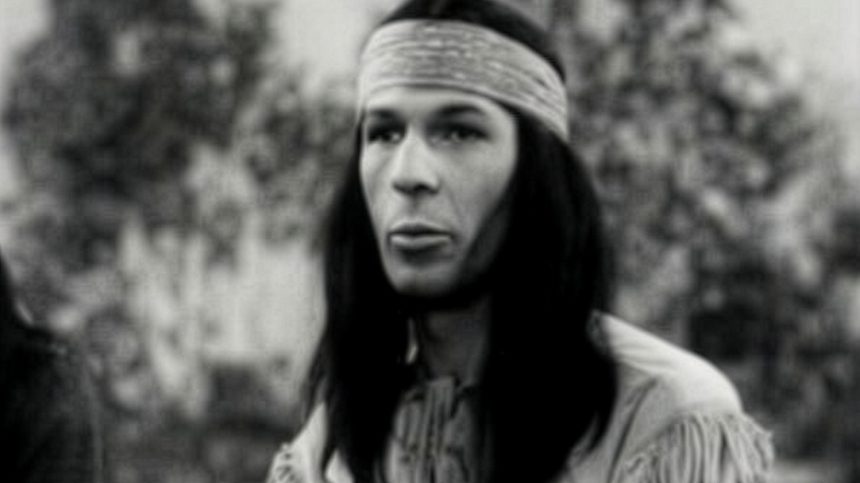
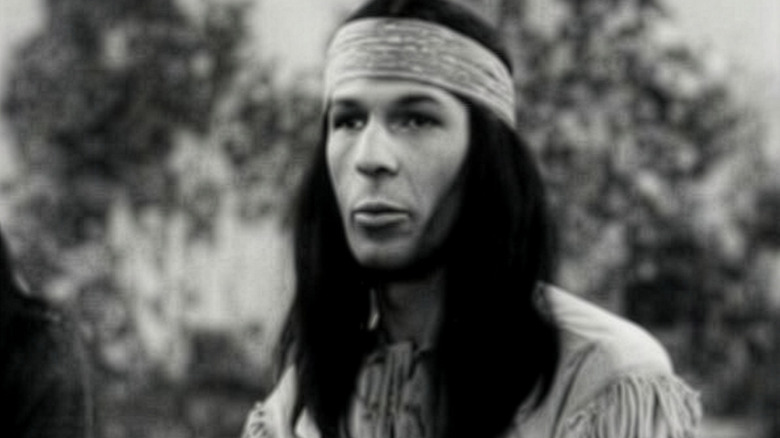
Nimoy’s involvement in the series is a fascinating footnote in television history. He appeared in three distinct roles throughout the show’s run, showcasing his versatility as a character actor. His presence in the series highlights how actors of the time often cycled through various guest spots to build their resumes. Interestingly, Nimoy’s early work often required him to portray diverse backgrounds, a common practice in an era where casting directors prioritized established faces over authentic representation.
A Legacy of Representation
While *Broken Arrow* is remembered for its attempt to humanize the Apache people, modern audiences view the production through a more critical lens. Today, the industry has shifted significantly; according to recent reports from the Geena Davis Institute on Gender in Media, there is a growing emphasis on authentic casting and diverse storytelling. The transition from the 1950s “Hollywood-style” casting to today’s demand for genuine representation marks a vital evolution in how we consume historical dramas.
The story of *Broken Arrow* remains a significant case study in how media can both challenge and reinforce societal norms. By examining the work of actors like Nimoy and the production choices of the 1950s, we gain a clearer understanding of the long road toward equitable representation in entertainment.