


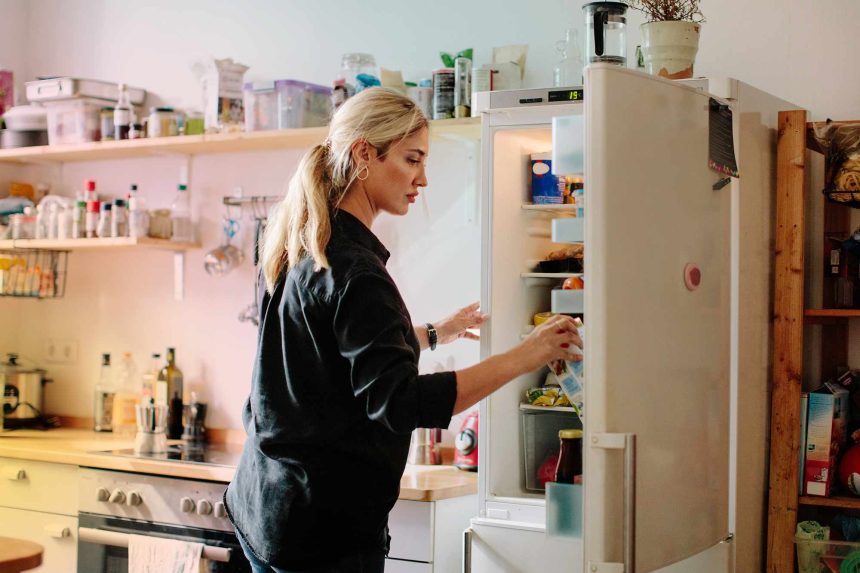
Optimizing Your Kitchen Storage: Why the Fridge Door Isn’t Always Best
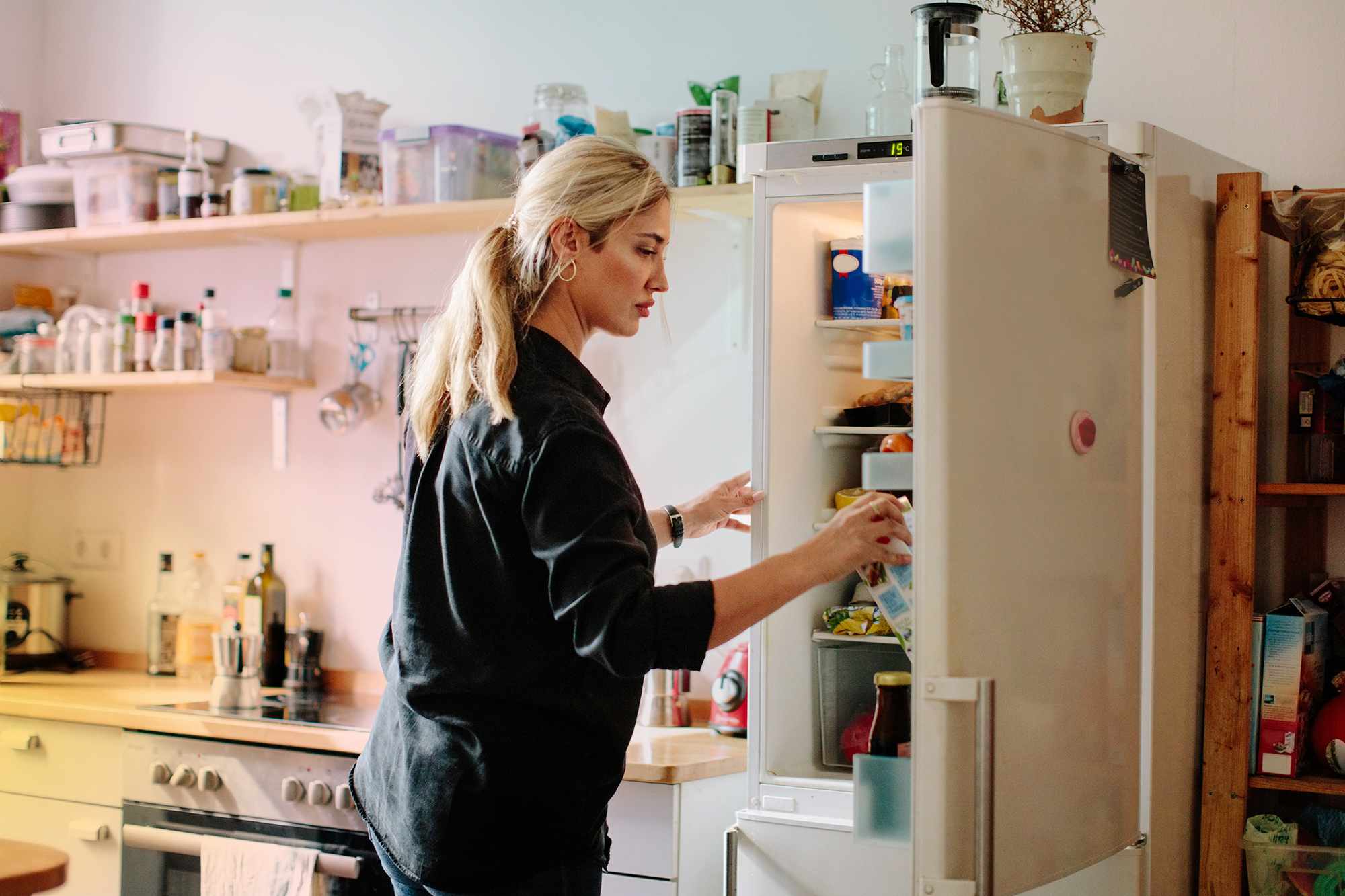
When organizing a refrigerator, the door is often treated as the most convenient spot for frequently used items. However, this area is subject to the most significant temperature fluctuations every time the appliance is opened. Because the door is exposed to the ambient air of your kitchen, it is the least stable environment for your groceries. To maintain food safety and extend the shelf life of your ingredients, it is time to rethink your storage strategy.
The Science of Temperature Stability
The interior shelves of a refrigerator maintain a consistent, cold temperature, which is essential for preventing bacterial growth. In contrast, the door acts as a “warm zone.” According to food safety experts, the temperature in the door can fluctuate by several degrees throughout the day. For perishable items, these constant shifts can accelerate spoilage.
For instance, while many people habitually store milk in the door for easy access, the fluctuating temperature can cause it to sour faster than if it were placed on a middle shelf toward the back. A good rule of thumb is to reserve the door for items with high salt, vinegar, or sugar content-natural preservatives that make these products more resilient to temperature changes.
Rethinking Your Grocery Placement
To maximize the longevity of your food, consider these strategic adjustments:
* Condiments and Sauces: Items like soy sauce, hot sauce, and pickles are ideal for the door. Their high acidity and sodium levels act as a buffer against the warmer air.
* Beverages: Water, juice, and soda are generally safe in the door, provided they are consumed within a reasonable timeframe.
* Dairy and Eggs: These should be moved to the main body of the fridge. Eggs, in particular, are sensitive to temperature swings; keeping them in their original carton on a middle shelf helps maintain their quality for weeks longer than door storage would allow.
* Produce: Delicate greens and soft fruits should never be kept in the door. The lack of consistent cooling can lead to wilting or premature decay.
Strategic Organization for Longevity
By moving your most sensitive items to the interior shelves, you create a more reliable environment for your food. Think of your refrigerator like a pantry: the “high-traffic” areas (the door) should house the most durable goods, while the “climate-controlled” areas (the back and middle shelves) should house the items that require the most protection.
Implementing these small changes not only reduces food waste but also ensures that your ingredients remain fresh and safe for consumption. Proper storage is a simple yet effective way to improve your kitchen efficiency and protect your grocery investment.
Plus, find out what foods can be stored there. » More Info >>>