

## Why World of Warcraft: Forever Signals the End of “WoW 2” Speculation
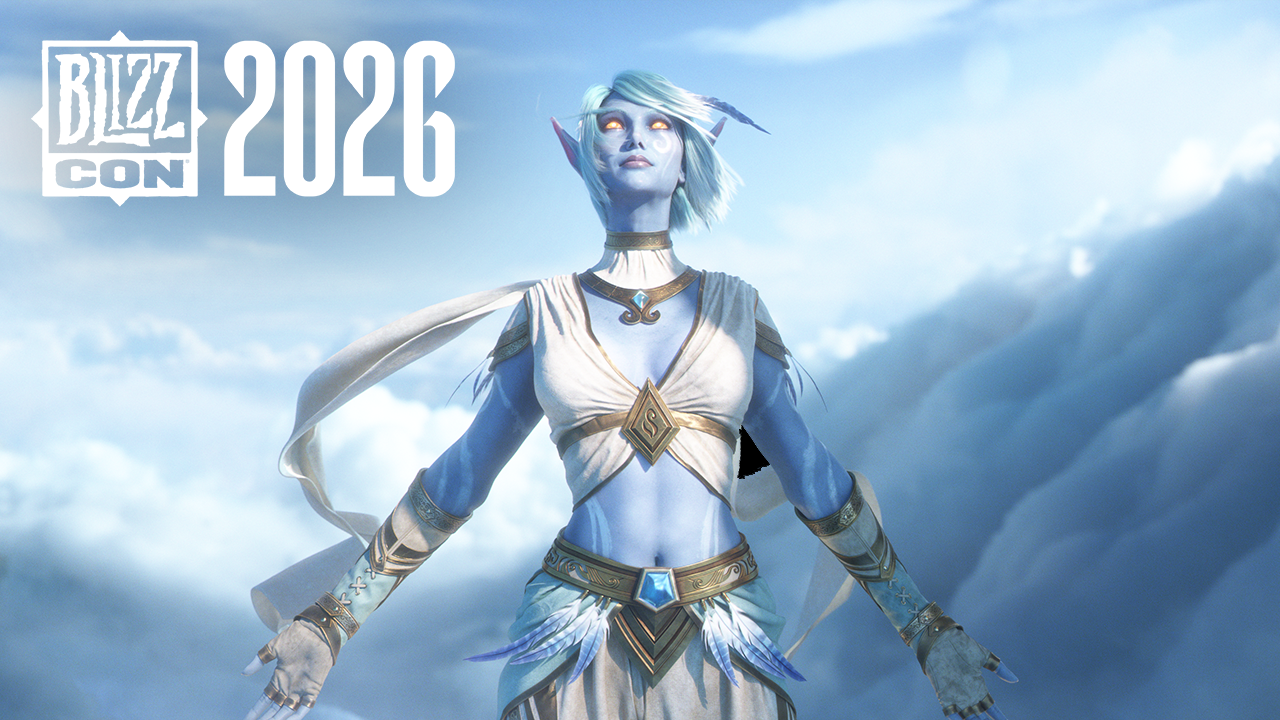
During the BlizzCon 2026 Opening Ceremony, Blizzard Entertainment unveiled *World of Warcraft: Forever*. This ambitious “Classic+” project invites players to revisit the original Azeroth, now revitalized with fresh dungeons, unexplored territories, and expanded raid content. Following the announcement, the development team addressed a long-standing community question: why pursue this path instead of building a standalone *World of Warcraft 2*?
I spoke with Principal Designer Kris Zierhut and Lead Encounter Designer Mike Nuthals to explore the philosophy behind *Forever* and why the team believes a sequel is fundamentally redundant.
### The Power of a Living Legacy
Rather than hitting the reset button, the team views the game’s 25-year history as its greatest asset. According to Zierhut, the strength of the franchise lies in its continuous evolution.
“The singular brilliance of *World of Warcraft* is that we possess a world and a design framework that has been refined and iterated upon for a quarter-century,” Zierhut explained. “We aren’t just maintaining a legacy; we are actively improving it.”
This commitment to modernization is evident in the technical upgrades showcased at BlizzCon. By overhauling the rendering pipeline, enhancing lighting engines, and implementing high-fidelity graphical assets, the team is bringing the classic experience up to modern industry standards without sacrificing the game’s soul.
### Efficiency Meets Evolution
Beyond the visual polish, the developers are focusing on the “under-the-hood” architecture that powers the experience. Nuthals and Zierhut emphasized that the engine has undergone significant optimization, allowing for more efficient server performance and smoother data processing.
In the current gaming landscape, where live-service titles often struggle with technical debt, *World of Warcraft* has managed to pivot. By upgrading the existing engine rather than starting from scratch, the team avoids the “sequel trap”-where a new game often launches with fewer features than its predecessor. Instead, *Forever* builds upon a foundation that has already been stress-tested by millions of players over decades.
With the industry shifting toward long-term support models-much like how *Fortnite* or *League of Legends* have evolved over the last decade-Blizzard’s decision to double down on the existing *WoW* ecosystem appears to be a strategic move to keep the community unified rather than fragmented across multiple titles.