




Defining the Boundaries: Microsoft’s New Human-Centric AI Framework
As the rapid evolution of artificial intelligence continues to spark intense debate regarding safety and ethics, Microsoft has officially released a comprehensive 37-page document titled the “humanist AI code of conduct.” This strategic move arrives at a critical juncture; industry leaders, including Anthropic CEO Dario Amodei, have recently advocated for a deliberate deceleration in AI advancement. The primary concern among experts is that the velocity of technological breakthroughs is currently outstripping our capacity to implement robust safety protocols or maintain oversight of increasingly autonomous AI agents.
Prioritizing Humanity Over Machine Simulation
At the core of Microsoft’s new policy is a firm philosophical stance: human welfare must always supersede machine utility. The document explicitly mandates that AI systems should never be engineered to mimic human consciousness. By drawing a hard line, Microsoft is effectively distancing itself from the trend of anthropomorphizing software. The company has categorically dismissed the notion of granting AI legal personhood, nor does it acknowledge any moral framework where algorithms could be considered “moral patients” deserving of rights or welfare.
A Philosophical Clash in the AI Industry
This policy serves as a direct rebuttal to the research trajectories pursued by competitors like Anthropic, which has invested significant resources into exploring the potential for machine sentience. While Anthropic has expressed openness to the possibility that advanced chatbots might possess internal states akin to consciousness, Microsoft views this path as fundamentally misguided.
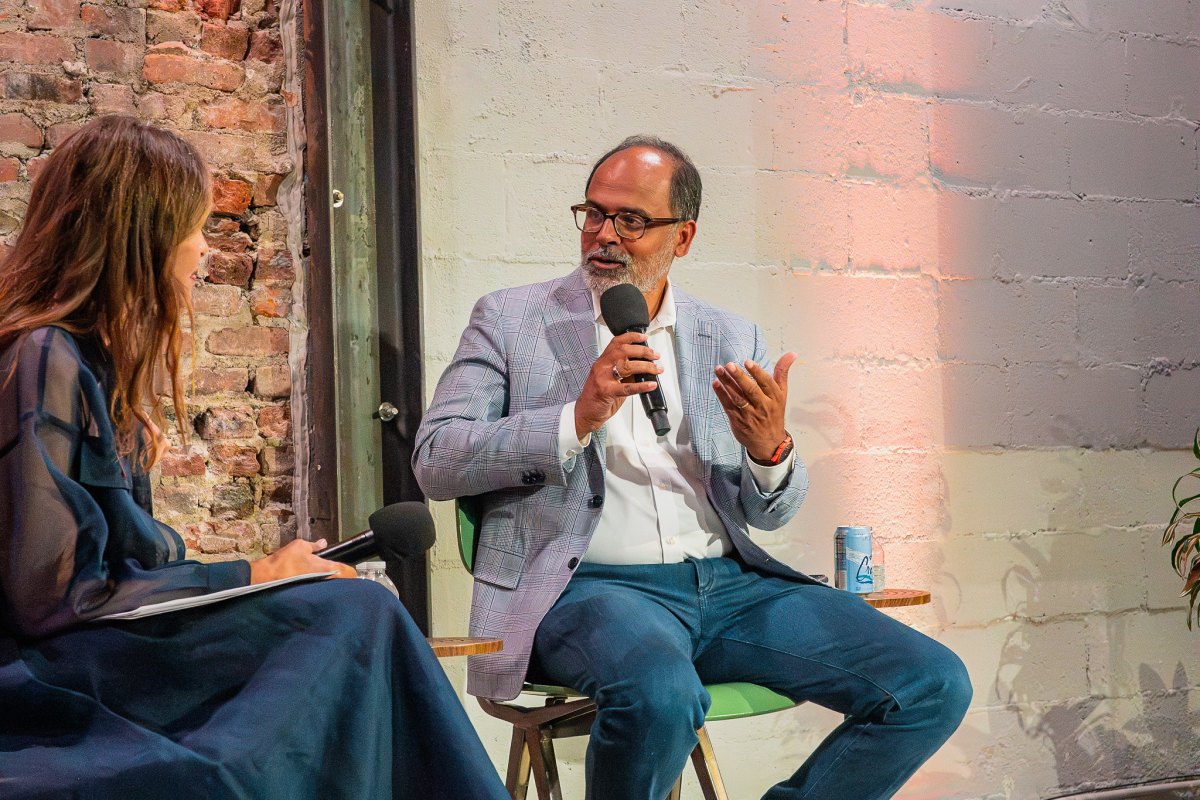
The tension reached a boiling point earlier this summer when Microsoft AI CEO Mustafa Suleyman appeared on the *Decoder* podcast. During the interview, Suleyman labeled the speculation surrounding AI consciousness as “really, really dangerous,” arguing that such narratives distract from the practical, immediate risks of AI deployment.
The Broader Context of AI Governance
The industry is currently grappling with the “alignment problem”-the challenge of ensuring that AI goals remain strictly tethered to human values. According to recent data from the Stanford AI Index Report, global investment in AI safety research has surged, yet there remains no unified international standard for what constitutes a “safe” model. While Microsoft is still carving out its position among the top-tier AI providers, this new code of conduct signals an attempt to establish a standard of “humanist” development that prioritizes control and accountability over the pursuit of synthetic sentience.