




The Evolution of Efficiency: Volkswagen’s Electric Pivot
Back in 2013, the automotive landscape was defined by a bold, albeit eccentric, experiment from the late Ferdinand Piëch: the Volkswagen XL1. This vehicle was a marvel of engineering, featuring a carbon-fiber monocoque and dramatic scissor doors. Driven by a tiny two-cylinder turbodiesel engine, it achieved fuel economy figures that rivaled the most efficient scooters. However, with a staggering price tag of €110,000, it served as a testament to a period when Volkswagen was convinced that “clean diesel” was the definitive future of mobility.
From Diesel Dreams to Electric Realities
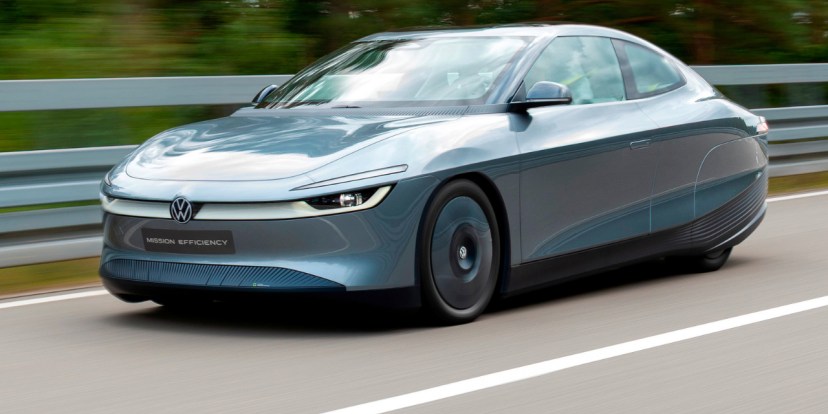
Over a decade has passed since that ambitious project. Following a massive emissions scandal and significant internal restructuring, the automotive giant has shifted its focus entirely. Today, Volkswagen is channeling the spirit of the XL1 into a new, electrified vision. The “Mission Efficiency” concept acts as a modern, battery-powered successor to that original experiment.
While the XL1 was a cramped, two-seat curiosity, this new iteration feels like a refined evolution. Designers have smoothed out the polarizing aesthetics of the original, stretching the chassis to accommodate four passengers. It is essentially a long-distance tourer designed to push the boundaries of aerodynamics and range, addressing a niche in the market that remains largely untapped by current mass-market EVs.
Redefining the Aerodynamic Standard
The industry is currently obsessed with range anxiety, and Volkswagen’s latest concept aims to solve this through extreme efficiency rather than just massive battery packs. By prioritizing a low drag coefficient-much like the original XL1-the company is proving that the future of electric travel isn’t just about bigger batteries, but about how effectively a vehicle can slice through the air. As electric vehicle adoption continues to climb, with global sales surpassing 14 million units in 2023, concepts like Mission Efficiency highlight a shift toward sustainable, high-efficiency design that could eventually trickle down to affordable consumer models.